

























































Indianapolis is suddenly ground zero for a wave of data center proposals, from compact edge buildings in Plainfield to sprawling, multi-building AI campuses on the city’s south and east sides. Developers are talking up jobs and investment. Neighbors are talking about traffic, around-the-clock noise, diesel backup generators, and how much power and water these buildings will consume. What started in back-office planning conversations has quickly spilled into packed neighborhood meetings and formal public hearings.
What a data center does and why AI changes the math
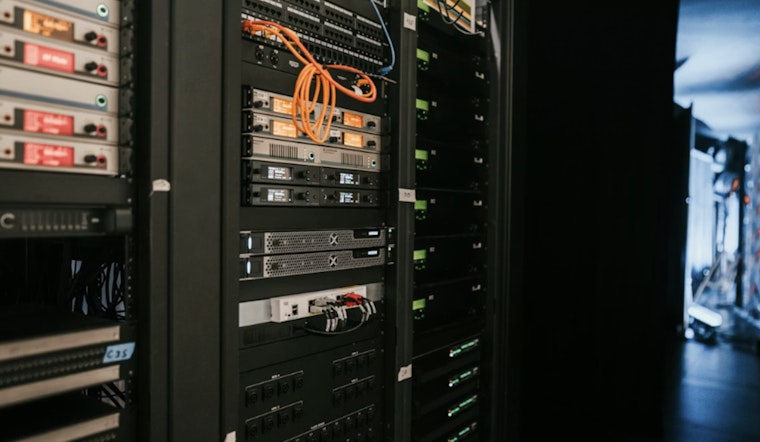
At the most basic level, a data center is a big, hardened box full of servers, storage gear, and networking equipment that store and move information. AI-focused facilities play in a different league. They are built to run dense, nonstop compute workloads and that drives far higher demands for electricity and cooling than traditional setups.
As Mirror Indy explains, that shift is fueling two parallel trends: enormous hyperscale campuses in rural counties and smaller metro-edge facilities closer to population centers. That split - giant rural compounds versus compact edge sites - helps explain why such different types of projects are popping up around Indianapolis at the same time.
Sabey’s Decatur Township campus
In Decatur Township, Seattle-based Sabey Data Centers is proposing a two-building campus on roughly 130 acres near Kentucky Avenue and Camby Road. The plan calls for about 900,000 square feet of space that could scale up to hundreds of megawatts of capacity in future phases. DataCenterDynamics and the developer’s own materials outline both the size and phased buildout of the project.
Local organizers say the case is scheduled to go before the city’s hearing examiner on Feb. 26, according to Protect Decatur Township. The land is already zoned for industrial use, which puts the proposal on a quicker track than some earlier efforts. That fast lane, combined with the project’s sheer scale, has rattled a lot of nearby residents.
Martindale-Brightwood fight centers on a former drive-in
Across town on the northeast side, Los Angeles-based Metrobloks is eyeing the site of the old Sherman Drive-In in Martindale-Brightwood. The company wants to redevelop roughly 13 to 14 acres there into a data center of about 154,372 square feet. The pitch drew a packed crowd and plenty of hostility at a recent community meeting.
WFYI documented the pushback, including residents’ worries about air quality and whether the deal is fair to the neighborhood. The city’s hearing examiner is set to take up the rezoning petition on Feb. 12, according to Mirror Indy. Metrobloks has said its design will rely on closed-loop cooling systems and sound-attenuated chillers to manage higher-density AI workloads while trying to limit noise and water use.
Plainfield represents the edge approach
Outside Indianapolis city limits, Plainfield is getting its own flavor of the boom. RadiusDC has secured primary-plat approval to build two data center buildings of roughly 100,000 square feet each on about 31 acres at Smith Road and AllPoints Parkway. The project is pitched as a smaller-scale model aimed at metro-area customers rather than a single massive campus.
The approval was documented by Data Center Map and Construction Review, which note that the Plainfield build carries a much lower footprint than typical hyperscale campuses. The town’s sign-off underscores that developers are chasing multiple playbooks at once: some are betting on large, centralized AI hubs, while others are pushing metro-edge facilities that sit closer to users and businesses.
Power, water and the backup question
For many residents, the real fight comes down to utilities. Industry reporting shows that hyperscale data hubs can need hundreds of megawatts of electrical capacity along with very large volumes of cooling water. That in turn means big transmission upgrades and long-term utility planning, not just a few extra wires on a pole.
DataCenterDynamics has detailed those large-scale demands, and local coverage of rural projects describes utilities preparing for significant system upgrades. Closer to downtown, Lifeline Data Centers lists its Eastgate facility at 401 N. Shadeland Ave. and reports that the site uses a 4-megawatt solar array alongside utility power and generator backup, according to the company’s website and facility listings.
Those nuts-and-bolts questions - where the power will come from, how water use will be managed, and what happens when the grid blinks - are now front and center in public hearings.
What happens next
Cities and counties across the region are preparing to weigh the various petitions in public sessions. Some hearings already have dates on the calendar, while others are waiting on technical reviews and staff recommendations.
At the same time, some local elected officials want to rewrite the rulebook. WRTV reports that several Indianapolis City-County Councilors are working on proposals to increase transparency around expected power and water use, spelling out tax abatements more clearly, and creating guardrails for where and how data centers can be sited. In the short term, residents should expect a mix of permit hearings, infrastructure studies, and political back-and-forth.
Neighbors, organizers and the legal frame
Neighborhood groups on the south side and in Martindale-Brightwood have been busy gathering signatures, hosting public events, and turning out people for hearings in an effort to reshape or stop specific projects. Those local fights have already led to at least one rezoning withdrawal in the broader region. Developers, for their part, say they plan to move through the usual permitting process and negotiate community benefits packages if their projects advance.
Whether those pressures end in new ordinances, temporary moratoria, or just tougher negotiations is still an open question. The hearings scheduled for mid and late February are shaping up as key moments for residents and officials to push for protections and clearer commitments.
In the bigger picture, Indianapolis has become a tidy snapshot of a national tension. Tech companies and data center developers see a friendly market with attractive incentives. Neighbors and some elected leaders are demanding firmer rules and straight answers on power, water, and long-term neighborhood impact. The next round of hearings will reveal whether those concerns actually change the projects on the table or simply tweak the design details around the edges.





