

























































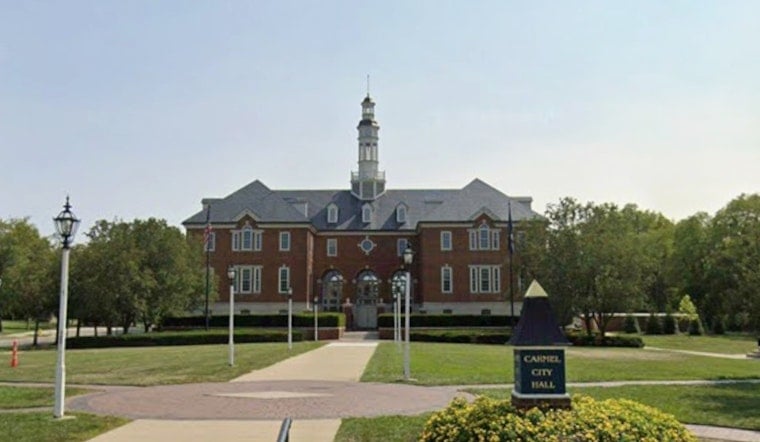
Carmel officials are sounding the alarm after residents started receiving slick, official-looking emails that claim to be from the city's Department of Community Services and demand instant payment to avoid permit or zoning delays. The messages reportedly slap on the city logo, use the names of real employees, and in some cases even reference actual property addresses and case numbers to sell the illusion. Recipients are pressured to send money by wire transfer, cryptocurrency, or mobile-payment apps, with warnings that projects "cannot be finalized" until a fee is paid.
According to the City of Carmel, all legitimate permit and zoning fees run only through the city's online permit portal. The city says it will not ask anyone to pay via wire transfer, crypto, or mobile apps. Anyone who is unsure about an invoice is urged to contact the Department of Community Services at (317) 571-2417 or email Bric Butler at [email protected], and to file a report with the FBI's Internet Crime Complaint Center at IC3.
How the Scam Works
"The City of Carmel will never ask for payment via wire transfer, cryptocurrency or mobile payment apps," the municipal alert states, stressing that scammers may mine public records for permit and case details to make the messages look legitimate, according to the City of Carmel. The emails typically claim a project "cannot be finalized until" a fee is paid and lean hard on fear of delays to push for immediate payment.
Not an Isolated Problem
Indiana residents have seen this playbook before. In May 2025, a compromised GovDelivery account was used to blast out fake toll and registration notices from convincing .gov email addresses, sparking statewide warnings and instructions to delete suspicious messages. StateScoop and other outlets documented how officials scrambled to contain the fallout.
Protect Yourself
Security advice here is simple, even if the scams are not. Do not click links or open attachments in unsolicited emails, and never send money or account details in response to a demand. Instead, verify any notice by calling the Department of Community Services using a phone number you look up on the city's official website, not one provided in a suspicious email.
The FBI's Internet Crime Complaint Center advises preserving the original message, including headers, recording any transaction information, contacting your bank immediately if you sent money, and filing a complaint at IC3 so investigators have a paper trail to follow.
What to Do If You Were Targeted
If you were asked to wire funds or have already sent money, contact your bank right away and file a police report with Carmel Police, in addition to reporting the fraud to federal authorities. The FBI notes that quick action gives the best shot at recovering transfers.
City staff are also urging residents to double-check any permit or zoning notices through official channels instead of replying to a sketchy email. That means using the phone numbers and email addresses listed on the city's website, not whatever the message provides.
Carmel's alert closes with a reminder that legitimate permit fees are handled only through the city's online permit portal, and that questions should be routed through official contacts rather than answered in email threads started by scammers. For help confirming a notice, City Hall's main switchboard is 317-571-2400, and the Department of Community Services can be reached at (317) 571-2417.





