

























































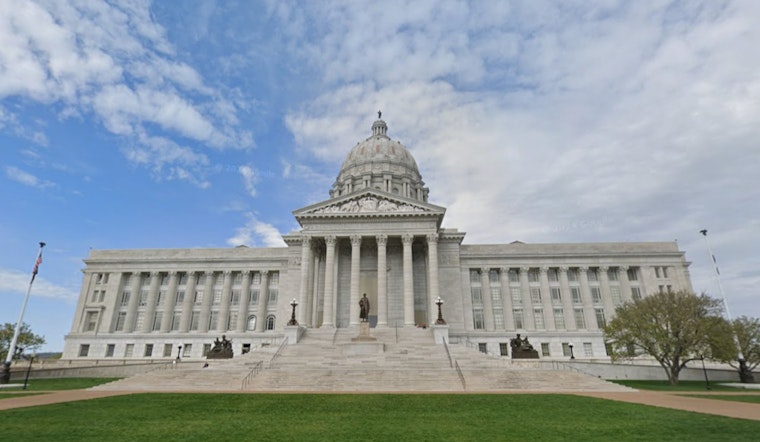
The fight over your car tax bill is officially in high gear at the Missouri Capitol. Lawmakers this week advanced a plan to change how local governments treat personal property, including vehicles, when they set tax rates. Supporters say the move will help prevent surprise spikes on car tax bills. Critics warn it could pinch funding for schools and other services that lean heavily on local levies.
What the House Did
House Bill 1766, sponsored by Rep. Mike McGirl (R‑Potosi), cleared key House steps this month and is now headed to the Senate for further consideration. According to LegiScan, the measure was perfected in the House and placed on the calendar for additional action.
In Capitol-speak, that means the House has largely settled on the bill’s language for now, and senators will be the next group to take a crack at it.
What the Bill Changes
HB 1766 rewrites Section 137.073 and retools how personal property value growth figures into local rate calculations. Under the proposal, starting January 1, 2027, year‑over‑year increases in the aggregate valuation of personal property generally would not be counted as "new construction" for rate setting. Instead of treating those gains like fresh growth that can justify higher revenue, the bill would wall them off from that part of the math.
The measure also caps the inflationary growth adjustment at the consumer price index, or 5 percent, whichever is lower, and prohibits revisions that would push a personal‑property levy above the prior year. All of those mechanics are laid out in the official bill text and are designed to curb how quickly revenue tied to personal property can grow.
Supporters: Steadier Bills for Vehicle Owners
Backers say the appeal is simple. When used‑car values shot up during the pandemic, many households opened their mail to find car tax bills that looked like a typo. Supporters argue HB 1766 would smooth out that kind of whiplash and make vehicle‑related tax bills more predictable from year to year.
The sponsor and other proponents have framed the plan as sending a slice of that valuation "windfall" back to taxpayers, a rationale that has also shown up in national coverage of similar efforts in other places.
Opponents: School and Service Budgets at Risk
Opponents, including some Democrats and local officials, counter that the bill does not magically make money appear. If taxpayers are on the hook for less, they say, then someone is getting less. In this case, that someone could be school districts and other services that depend on levy revenue.
As reported by St. Louis Public Radio, lawmakers from across the state flagged the possibility of shrinking local budgets, even as some crossed party lines to support the measure. The tension is clear. Lawmakers like the idea of relief for car owners, but many are wary of what happens when the bill arrives for classrooms and community programs.
Fiscal Note: Localized Hits Possible
The Legislative Research fiscal note attached to HB 1766 does not promise smooth sailing. Analysts warn that local impacts are uncertain but could be meaningful. By omitting personal‑property growth from the "new construction" calculation, the bill effectively lowers the rate denominator and can reduce allowable revenue growth.
The fiscal analysis cites a 2023 example in which using the bill’s method would have trimmed revenue growth by about $3.97 million. It also flags specific risks to SB40 disability boards, libraries and certain ambulance and social‑service providers that rely on levy revenue. Translation, some very visible front‑line services could feel the squeeze if personal‑property growth no longer props up their tax base.
What’s Next
With the House work essentially wrapped, HB 1766 now heads to the Senate, where hearings and amendments could reshape the final product. Supporters will be pushing the argument that taxpayers deserve protection from volatile car values. Local governments and service providers are likely to press just as hard on the potential budget fallout.
For anyone keeping score from home, the next key moves will show up on Senate committee calendars and in any tweaks that change how the bill treats personal‑property valuations when the new rules kick in for 2027.



