

























































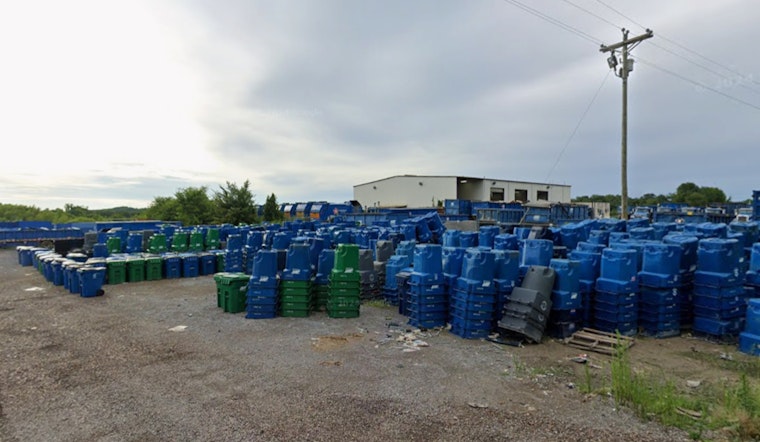
A Davidson County Chancery Court judge just handed Murfreesboro a major win in its years-long fight over the Middle Point Landfill, putting the brakes on a proposed vertical expansion that could have kept the dump running well into the 2040s.
The ruling pauses the state’s review of the project and sends the permit back for local consideration, a move city leaders say shuts down what they viewed as an attempt to dodge Tennessee’s public-review process.
What the judge ordered
The court granted the City of Murfreesboro a writ of mandamus that orders the Tennessee Department of Environment and Conservation (TDEC) to stop processing BFI Waste Systems’ application for a 70-foot vertical expansion of Middle Point. That pause stays in place until the Central Tennessee Regional Solid Waste Planning Board has a chance to review the proposal, according to the City of Murfreesboro.
The city says the expansion would have added roughly 19 million tons of new capacity and tacked more than a decade onto the landfill’s life. Officials also highlighted that Chancellor Perkins found “substantial and material evidence” backing the regional board’s earlier decision to deny an expansion.
What was proposed
Middle Point’s operators had submitted a large permit package to TDEC seeking permission to stack roughly 70 additional feet of waste on top of the existing landfill mound, a move they said would keep the site in operation into the 2040s. WGNS and other local outlets reported that filing directly with state regulators helped spark Murfreesboro’s legal challenge.
Supporters of the expansion pointed to earlier, smaller permitted increases in height and Middle Point’s role in handling regional trash as reasons state regulators should finish their review.
Why residents pushed back
Neighbors and city officials have spent years complaining about conditions around the landfill and pushing hard against any further growth at the site.
WSMV reported that Murfreesboro had logged more than 4,000 odor complaints tied to Middle Point. City leaders have also pointed to multiple state violations, including concerns over leachate discharges and gas-collection problems.
Environmental worries have not stopped there. Testing picked up PFAS in landfill runoff, and those findings helped push the city into both state and federal legal actions over the site.
Operator response
Operators of Middle Point say they followed TDEC precedent with their application and insist their priority is running the landfill safely.
Middle Point Landfill said it will “let the court process run its course” while continuing to manage the facility under its existing permits. The company maintains that Middle Point remains a critical piece of the area’s disposal system while regulators and judges sort out the procedural fight.
Legal implications
The order does not permanently kill the expansion, but it does put clear guardrails around how the state can handle it.
The ruling is procedural rather than a final yes or no. It requires TDEC to follow statutory review steps and send the application back to the regional solid waste planning board before any further state permitting can continue, as reported by NewsChannel 5. The outlet notes appeals are likely, and a separate federal case over alleged Clean Air Act and Clean Water Act violations is still moving forward.
Legal observers say writs of mandamus are a blunt but effective way to force agencies to follow the exact procedures laid out in state law, which is precisely what Murfreesboro argued was being short-circuited.
What’s next
With the court-ordered pause in place, the expansion proposal now heads back to the Central Tennessee Regional Solid Waste Planning Board for local review and a public hearing before TDEC can pick up any permitting work again, according to MTSU Sidelines. The outlet reports that city officials see this as restoring a public input process they say was skipped.
In the meantime, city leaders and some lawmakers say they will keep pushing for tougher monitoring at Middle Point, including stronger PFAS testing tied to any future changes at the landfill.
State and local officials have been quick to celebrate the ruling as a win for community oversight. A release from the Tennessee House GOP described the decision, issued in a case championed by Rep. Bryan Terry, as a victory for protections that keep landfill decisions closer to home.
For residents living near the Stones River and Walter Hill Park, the order does not end the landfill fight, but it does buy time for more public hearings and another round of scrutiny while the broader legal battles grind on.





