

























































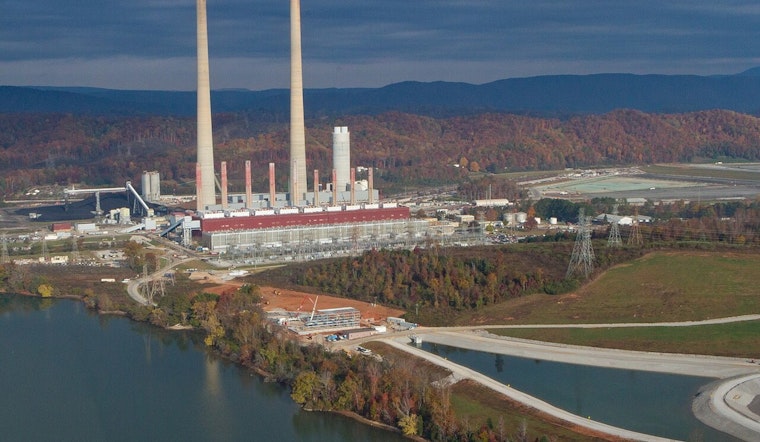
TVA once said Kingston’s coal-burning days were numbered. Now, newly surfaced paperwork suggests the utility might keep at least some of those towering smokestacks humming while a new natural-gas complex and battery storage are built, rather than tearing everything down as planned.
The possibility of running any of Kingston’s nine coal-fired units past the previously announced retirement date would upend the 2024 timetable and instantly revive old anxieties in Roane County about air quality, coal-ash handling, and what all of this means for local jobs.
What The Documents Show
Supplemental environmental review materials, recently reviewed by local reporters, show TVA has added options that keep Kingston’s coal units available even after construction of new natural-gas turbines and battery systems is underway, according to WATE.
In parallel, TVA’s public NEPA materials outline scenarios that treat continued coal operation as a contingency, keeping the units available while replacement capacity is brought online and tested.
Why TVA Is Reconsidering
TVA leaders point to higher-than-expected power demand and system reliability worries as the main reasons they are re-examining how long coal units might need to stay in service, with new CEO Donald Moul signaling a broader review of coal-unit lifespans, according to reporting by WPLN.
Federal policy shifts have also scrambled the picture. A presidential proclamation has temporarily exempted certain coal plants from updated Mercury and Air Toxics Standards, and TVA’s public filings with the U.S. Securities and Exchange Commission describe both those policy changes and significant 2025 project spending that the utility says supports its transition plan. Together, those factors give TVA cover to keep multiple operational paths on the table while it decides how fast to move away from coal at Kingston.
Where The Gas Plant Stands
On paper, the plan for Kingston still centers on a large, phased energy complex built around roughly 1,500 megawatts of natural-gas generation, backed up by battery storage and a small slice of solar capacity. Trade coverage has repeatedly flagged the gas buildout as TVA’s preferred replacement option in environmental reviews.
ENR has detailed the scope and cost of the proposed project, while TVA’s own plant materials lay out Kingston’s existing scale and the agency’s stated goal of matching replacement generation to reliability needs.
Local Stakes And The 2008 Spill
Any talk of extending coal at Kingston instantly runs into history. The site was the scene of the 2008 coal-ash release, still the largest industrial spill in U.S. history, and residents, along with environmental groups, warn that more time on coal risks reopening long-settled fights over ash disposal and smokestack emissions.
AP has chronicled both the disaster and the long cleanup that followed. Earlier this year, our own look at TVA’s 2024 retirement decision placed Kingston within the region’s energy transition story via Kingston's Era Ends, when the utility publicly committed to taking the coal plant offline by 2027.
Voices And Reactions
Environmental advocates argue that stretching out Kingston’s coal life would undercut TVA’s shift away from coal and could raise local public health risks at a site already burdened by its past. TVA officials counter that their first obligation is to keep the lights on, framing any coal extensions as a reliability backstop while new gas units and storage systems are tested and phased in.
Coverage from WPLN and other local reporting on the supplemental NEPA documents shows both sides gearing up for what could be a bruising round of public meetings, formal comments, and permitting fights over Kingston’s future.
Next Steps
The supplemental NEPA materials now on the street will feed directly into TVA’s internal decision-making and any future board actions. TVA’s regulatory filings note that board votes, key permitting milestones, and potential legal challenges could all determine whether Kingston is demolished on the original schedule or kept running longer.
For the moment, everything is still in the procedural stage: the documents sketch out options, stakeholders are sharpening their comment letters, and the evolving regulatory and legal landscape, as described in TVA’s SEC filings and national reporting, will ultimately shape how long those Kingston smokestacks stay in Roane County’s skyline.





