

























































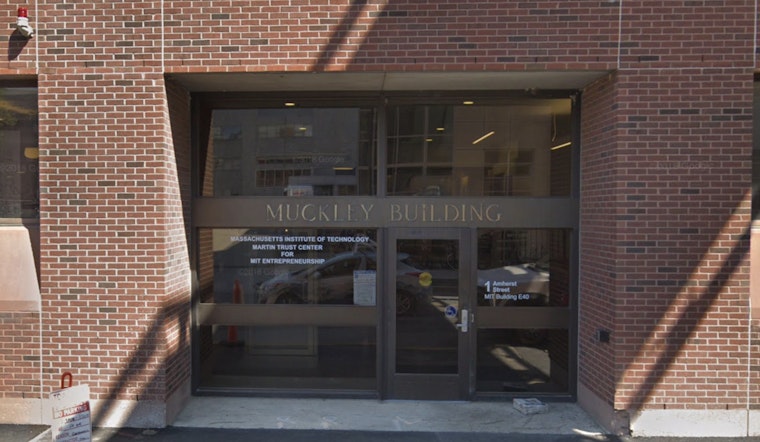
Two of Boston’s homegrown tech heavyweights are betting big that the next wave of startups will stay put. Klaviyo co-founders Ed Hallen and Andrew Bialecki have pledged $6 million to MIT’s delta v accelerator, a targeted gift meant to pump up early-stage funding and mentorship at the Martin Trust Center and keep student founders from drifting to the Bay Area.
What the funding will buy
The influx of cash means delta v will now offer up to $75,000 in equity-free funding per venture, with this year’s cohort intentionally pared down so each team gets deeper support. Applications open March 1, and the program runs full-time from June through Demo Day in September, according to MIT delta v.
Who gave the money
Hallen and Bialecki built marketing-software company Klaviyo while Hallen was finishing his MBA at MIT Sloan, and on Tuesday they went public with the $6 million pledge. Bill Aulet called it the largest donation the accelerator has seen in its 15-year history, as reported by The Boston Globe. Bialecki told the Globe he remembered delta v as “what entrepreneurship should feel like,” and the founders said the money is meant to fund more intensive mentoring and more customized support for each team.
Delta v by the numbers
A decade-long impact study from the Trust Center shows roughly 61% of delta v projects have gone on to become ongoing companies and about 63% of ventures raised outside funding, underscoring the program’s track record. Those outcomes helped drive the shift to larger, equity-free grants and a Partner model that connects student founders with seasoned operators and investors, per MIT delta v.
Why it matters for Boston
Klaviyo traces its beginnings to 2012 and lists its principal executive offices in Boston, details laid out in the company’s public filings on EDGAR. For donors and Trust Center leaders, the bet is straightforward: give student founders more runway and stronger networks so the next generation of scale-ups grows in greater Boston instead of somewhere else.
Organizers expect the revamped delta v to roll out this summer with a smaller, more intensive cohort that gives teams clearer paths to customers and capital. For local founders, the combination of extra cash and closer mentorship could be the quiet shove that keeps the next big company rooted right here.





