

























































California employers are getting a stronger legal toolkit to deal with workers or members of the public who cross the line from difficult to dangerous. A recent state appeals court ruling, paired with new statutory requirements, is giving businesses and public agencies clearer authority to issue workplace violence restraining orders and to implement detailed prevention plans, enabling they to intervene before tense situations turn into actual attacks.
Appeals Court Backs Restraining Order in Fire Department Clash
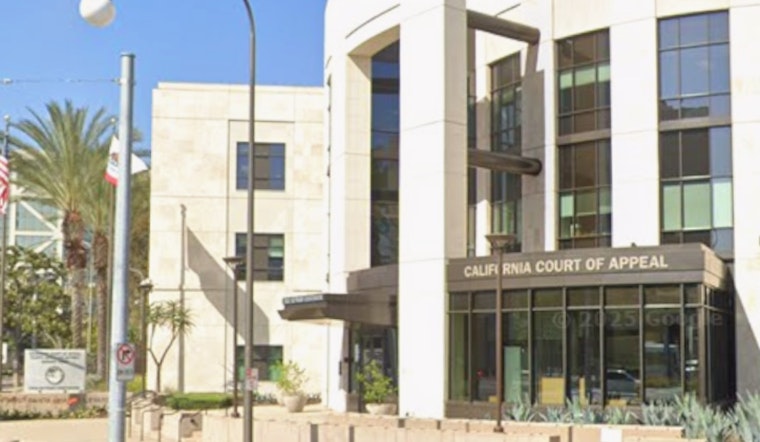
In County of Los Angeles v. Niblett, the California Court of Appeal signed off on a three-year workplace violence restraining order against a Los Angeles County fire department mechanic who repeatedly confronted supervisors and referred to an earlier station shooting. The panel held that his comments and behavior could reasonably be seen as a "credible threat of violence" and allowed restrictions that included a firearms ban, according to Justia.
Lawmakers Widen Employers' Options Against Harassment
State legislators have already been moving in the same direction. SB 428, authored by Sen. Catherine Blakespear, now lets an employer, and in some situations a collective-bargaining representative, ask a judge for a temporary restraining order on behalf of an employee who has been harassed. The expansion took effect on Jan. 1, 2025, according to Sen. Blakespear's office. Local officials, including the City of Carlsbad, which reported long-running harassment of city staff, helped drive the bill forward, as reported by The San Diego Union-Tribune.
Workplace Prevention Rules Already on the Books
Separate from court orders, California already requires most employers to keep a written, site-specific workplace violence prevention plan and to provide at least annual training under Labor Code section 6401.9. Cal/OSHA guidance says those plans must cover hazard assessments, a violent-incident log, post-incident investigations and employee training that matches workers' language and literacy levels. Many of these provisions are already in effect for general industry employers, according to Cal/OSHA.
Lawyers Say Court Orders Work Best With Strong Paper Trails
Employment attorneys point out that a workplace violence restraining order is a powerful but blunt instrument that works best when it sits on top of the prevention framework the law already demands. Dan Eaton, an employment-law shareholder at Seltzer Caplan McMahon Vitek who also teaches employment law, advises employers to tie together restraining orders, detailed incident logs and annual training to limit operational disruption and reinforce legal defenses, according to his firm bio at Seltzer Caplan McMahon Vitek.
Legal Quick Take
To get a workplace violence restraining order, an employer has to meet the clear-and-convincing evidence standard and show that the conduct qualified as unlawful violence, a credible threat of violence, or, after the 2025 change, harassment that would cause substantial emotional distress. The Court of Appeal also underscored that an order can last for up to three years and can require the person targeted by the order to surrender firearms and ammunition while it remains in effect, as reflected in the court's opinion.
What Employers Should Do Now
For now, businesses and public agencies are being urged to tighten up the basics: audit and update workplace violence prevention plans, log every violent incident, retrain staff each year and bring employee representatives into regular plan reviews. When harassment turns into a pattern or starts to hint at danger, employers are advised to talk to counsel, coordinate with law enforcement when appropriate and consider seeking a workplace violence restraining order to protect both staff and operations. Those steps mirror guidance from employer-focused advisers and compliance resources such as LegalClarity.
With the appeals court decision and the expanded statutory scheme working in tandem, California employers now have more defined legal pathways to keep workplaces safer while courts continue to balance those protections against free-speech and labor rights. For additional local reporting and context, see The San Diego Union-Tribune.





