

























































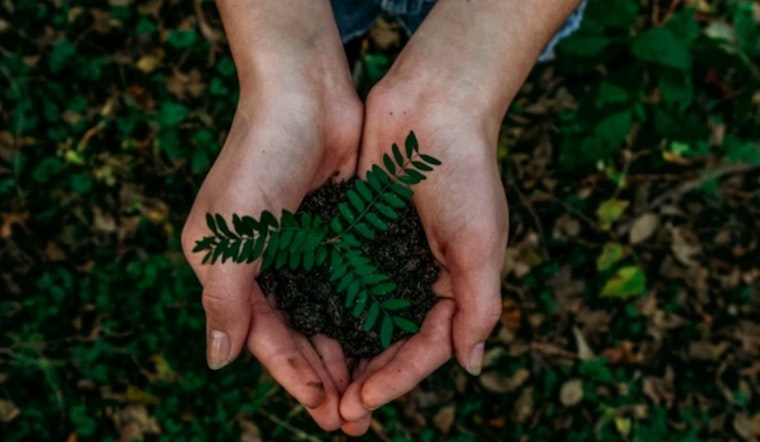
Fresh green fronds are starting to break up the burn scar at Lahaina Harbor, where nearly a dozen native trees, including endemic loulu Hawaiian fan palms, were planted this week as part of a coordinated restoration push. Treecovery Hawai‘i teamed up with volunteers from Kā‘anapali and crews from Royal Pacific Landscape to move and install the palms along the waterfront, just as the harbor's loading dock has resumed operations following the August 2023 wildfires. Organizers say the new trees are meant to make public spaces feel more welcoming for residents and to re-anchor Lahaina's shoreline in native vegetation instead of imported landscaping.
The project was launched by the Lahaina Restoration Foundation and funded by Maui County, with Treecovery providing transport and installation support, according to Maui Now. Duane Sparkman, founder and president of Treecovery Hawai‘i, called the planting "another meaningful step in rebuilding the landscape and supporting the community’s recovery," the outlet reported. Theo Morrison, executive director of the Lahaina Restoration Foundation, said bringing back shade and reintroducing native species is about improving spaces that serve the community every day, not just creating a pretty backdrop for visitors.
Treecovery Grow Hubs Fuel Island Replanting
Treecovery operates through a network of grow hubs and resort partners that raise, nurse and stage young trees until they are ready to be transplanted into the ground. The organization’s media materials describe partnerships with hotels, airlines and local nurseries that back island-wide plantings and community volunteer days, and highlight efforts to make trees available to homeowners affected by the wildfires. For details on volunteer opportunities and the group’s broader work, see Treecovery Hawai‘i.
Loulu Lineage and Long-Term Nursery Care
The loulu palms now standing at the harbor spent roughly 20 years growing at Native Nursery’s farm parcel in Kula, from seeds originally collected on Moloka‘i, according to Maui Now. Loulu (Pritchardia spp.) are among Hawaiʻi’s native palms and carry both ecological and cultural significance, so using locally grown stock is intended to boost transplant survival and strengthen cultural continuity. The recent planting also added other native species, including ʻiliahi (Hawaiian sandalwood), kukui and pōhuehue, to restore a more diverse and resilient shoreline planting palette.
What Comes Next For Lahaina Harbor
The Lahaina Restoration Foundation will maintain the newly planted areas as restoration work continues, and organizers say additional native plantings are scheduled in the coming weeks, according to public materials from the Lahaina Restoration Foundation. At the same time, the county's Lahaina Royal Complex master planning process, led by Group 70 International (G70), is moving forward and will incorporate Native Hawaiian species and cultural landscape goals into the waterfront design, according to project documents on Maui Recovers.
For residents and volunteers, the small palms along the harbor edge mark one more visible step in a long recovery that ties cultural care to ecological restoration. Treecovery lists ways the public can support planting and ongoing stewardship, and local partners say consistent, long-term attention will be critical to help the young trees take hold. The new plantings may be modest for now, but they are meant to grow into shade for future generations and to help rebuild a sense of place along Lahaina’s historic waterfront.





