

























































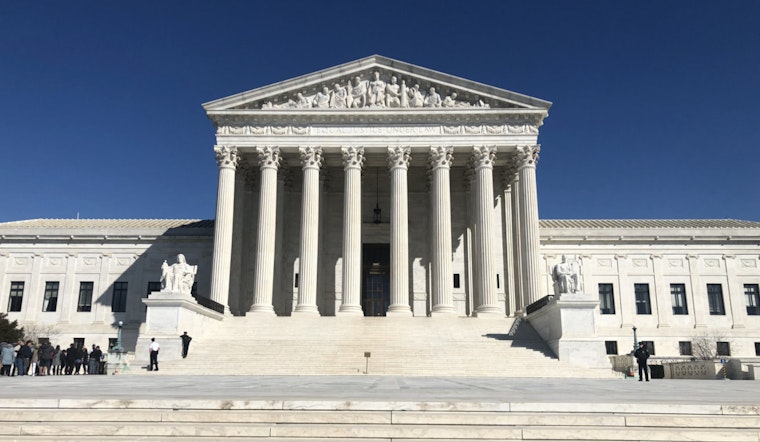
New York Attorney General Letitia James has teamed up with a multistate coalition to urge the U.S. Supreme Court to toss out President Trump’s executive order that targets birthright citizenship. In an amicus brief filed on Feb. 26, the coalition warns the order would strip citizenship from thousands of children born in the United States and unleash legal and bureaucratic turmoil for families and state agencies. The filing lands just as the Supreme Court prepares to confront a case that could pull the Citizenship Clause away from more than a century of precedent.
What the states filed
According to the New York Attorney General’s office, the brief unites 24 state attorneys general along with the City and County of San Francisco in asking the Supreme Court to strike down the president’s order. In the statement, James put it bluntly: "The president cannot override our Constitution with the stroke of his Sharpie."
How the case reached the high court
SCOTUSblog identifies the dispute as Trump v. Barbara and notes that the justices have scheduled oral arguments for April 1, 2026. The case consolidates several lawsuits and a class action filed on behalf of children who would lose citizenship if the administration’s directive ever takes effect.
Lower-court rulings and the stakes
Multiple federal judges have already stepped in to halt the order, including a Boston judge who issued a preliminary injunction that tracks similar rulings in other courts, according to the Associated Press. Plaintiffs and state attorneys general argue that the directive would render some children stateless, jeopardize access to health care and education, and force states to build costly new systems to verify legal status.
Why states say it would hurt families and budgets
State officials warn that ending automatic citizenship at birth would bury their agencies in paperwork and strip millions in federal dollars from safety net programs such as Medicaid and CHIP. California’s attorney general flagged the risk of losing key health and education funding, along with the practical mess of forcing hospitals and agencies to verify parents’ immigration status for every newborn.
Legal implications
The legal fight centers on the Citizenship Clause of the Fourteenth Amendment and on longstanding precedent, including United States v. Wong Kim Ark. Legal scholars and lawmakers on both sides have filed friend of the court briefs that dig into that history, as documented by SCOTUSblog. Those filings warn that a ruling for the administration could unsettle established statutory frameworks, including the Immigration and Nationality Act.
What comes next
With arguments set for April 1, the Supreme Court’s decision will determine whether a president can use executive power to nullify what opponents say is a clear constitutional guarantee. Lawmakers and advocates across the country, including a group of senators who submitted their own brief, have urged the Court to preserve birthright citizenship and the protections that come with it, according to a joint statement from U.S. senators.





