

























































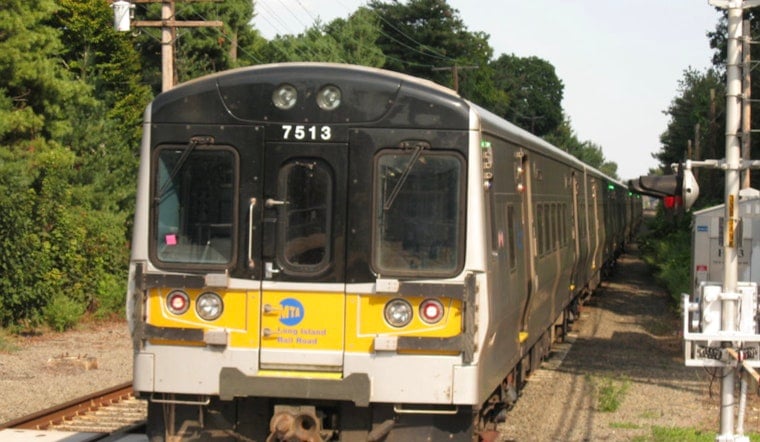
Regulars on the Long Island Rail Road woke up to a rude surprise: a one-way ticket now turns into a pumpkin at 4 a.m. the morning after you buy it, instead of sitting in your wallet for weeks. The same policy shift scraps traditional round-trip fares in favor of a Day Pass that runs until 4 a.m. the next day and is folded into the MTA’s 2026 fare-and-policy package. Riders say the tighter window pressures last-minute buys, makes gifted or saved tickets more likely to go to waste and has already sparked fresh grumbling online.
The Metropolitan Transportation Authority is pitching the change as a way to simplify fare enforcement and cut down on opportunistic reuse of unscanned tickets. According to MTA, all one-way paper and mobile tickets now expire at 4:00 a.m. the day after purchase, and the new Day Pass will replace round-trip fares. The agency notes that current one-way tickets had a 60-day validity. The policy was approved by the MTA board as part of a broader 2026 package that also includes modest fare hikes and other ticketing tweaks.
Rider reaction has been swift. As reported by Time Out, local threads on Reddit are full of commuters saying the change blows up long-standing habits like buying tickets ahead of time or hanging on to unused ones for a rainy day. Several posters flag practical headaches: if you gift a ticket or buy in bulk for occasional use, it is likely to go stale by the next morning, and commuters have been sharing screenshots and complaints online.
The rules took effect on Jan. 4, 2026, and arrived with stiffer penalties for buying or activating a ticket once you are already on the train. NBC New York reports that the surcharge for repeated on-board purchases or activations can reach $8 after warnings. The MTA says the combination of surcharges and shorter validity periods will speed up fare collection and reduce opportunities for misuse. Riders, however, warn that the rules could be unforgiving when phones die, cell signals drop or plans change at the last second.
How the new rule works
Under the pilot, mobile tickets must still be activated before boarding, and any one-way ticket or Day Pass bought on a given day will expire at 4 a.m. the following morning. The Day Pass offers unlimited travel during that window and, the MTA says, is often cheaper than two peak one-way fares on weekdays. The agency also introduced a mobile “pay-as-you-go” discount that gives an 11th ride free after 10 trips in 14 days for purchases made in the app, according to MTA.
What riders should do
For now, the advice is basic but strict: buy and activate tickets before you step onto the train, check the TrainTime app for confirmation and consider a Day Pass if you expect a return trip after midnight. Local reporting from News 12 and other outlets recommends watching for app warnings and station signage that spell out the new windows and surcharges. If you are used to buying tickets for others or stashing unused one-ways “just in case,” expect that strategy to stop working under the new rules.
Commuter advocates say the shift clearly favors enforcement over flexibility. “They’re forcing us to be in compliance with what makes things easiest for them, not necessarily for us as riders,” Jim Cameron of the Commuter Action Group told NBC New York.



