

























































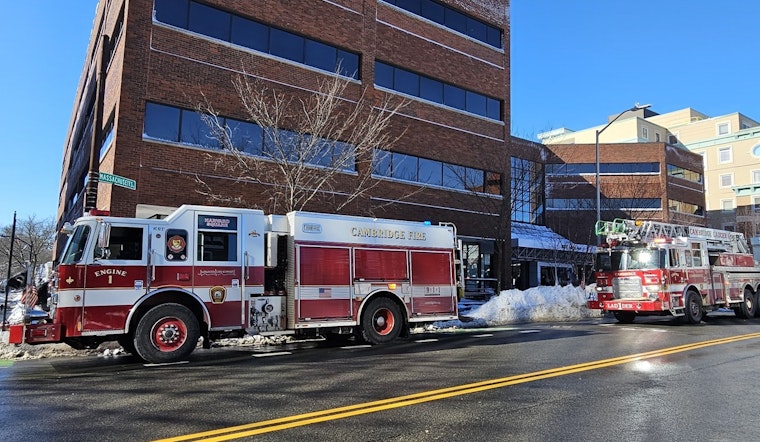
On Tuesday, a quiet mixed-occupancy building on Massachusetts Avenue suddenly turned into a full evacuation scene after Cambridge firefighters detected high levels of carbon monoxide inside. Multiple fire units and utility crews converged on the address, ventilated the property, shut down a problem heating appliance and checked the building for hazards while residents waited outside.
On-scene response
According to the Cambridge MA Fire Department, crews arrived to find elevated carbon monoxide readings inside the mixed-use building. Engine 1, Ladder 1, Rescue 1, Squad 4 and Division 2 were among the companies that moved in with meters and self-contained breathing apparatuses to track down the source.
Firefighters evacuated residents, ventilated the structure and shut down a malfunctioning heating appliance that was identified during the response. Eversource Massachusetts was called in to assist on scene, and the department reported that no one was injured during the incident.
Carbon monoxide dangers and state rules
Carbon monoxide is a colorless, odorless gas produced by fuel-burning appliances that can quietly cause headaches, dizziness, nausea and confusion, and at higher levels can be fatal. The Massachusetts Environmental Public Health Tracking program notes that properly installed and maintained heating equipment, along with working carbon monoxide detectors, are the front line of defense against poisoning.
Those detectors are required in Massachusetts homes that have fuel-burning appliances, and the tracking program monitors hospitalizations and emergency department visits tied to carbon monoxide. That data is used to guide statewide prevention work so fewer calls like Tuesday's end with high readings inside a home.
What to do if you suspect CO
The National Institute for Occupational Safety and Health, part of the CDC, advises that anyone who suspects carbon monoxide exposure should go outdoors to fresh air immediately and call 911. Common warning signs include headache, dizziness, weakness and nausea, which can be easy to shrug off until levels climb.
Eversource urges what it calls the "Smell, Leave, Tell" approach: leave the area, call 911 and then report the situation to the utility. The company warns against operating electrical switches or starting vehicles near a suspected leak. Residents are also urged to test carbon monoxide detectors monthly, replace the batteries on a regular schedule and have furnaces and vents inspected before cold weather sets in.
Where this fits locally
Massachusetts Avenue is no stranger to utility-related emergencies. A transformer explosion near 2500 Mass Ave in February 2025 forced evacuations and brought Eversource crews to the area, showing how underground infrastructure problems can ripple into nearby buildings, the Boston Globe reported.
This latest Facebook post from Cambridge fire officials underscores the same theme: when hidden hazards like carbon monoxide show up, coordinated work between fire crews and utility teams is what clears the air and gets residents safely back inside.





