

























































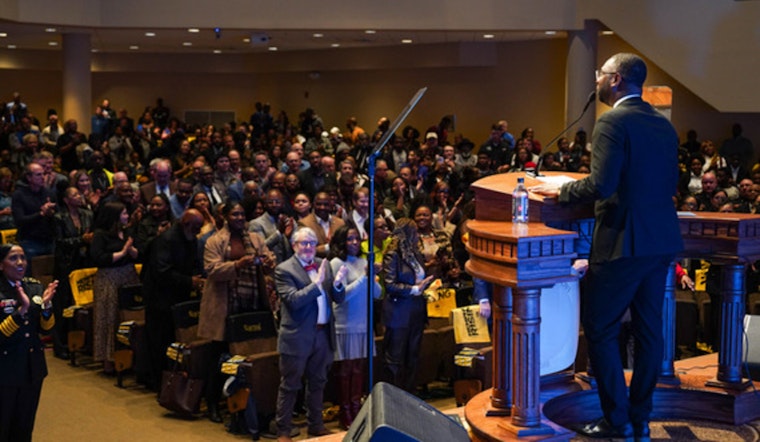
Memphis is gearing up for a major housing push, and City Hall is treating it like a full-contact sport. Mayor Paul Young has launched a new task force aimed at dramatically increasing the number of affordable homes across the city. The group’s job is to tackle the regulatory and financing roadblocks that city officials say keep construction too costly and too slow. The effort is central to Young’s broader plan to boost density in the core of Memphis and help more residents stay in place as redevelopment moves in.
Young's 10,000-home pledge
In his State of the City address, Young pledged to deliver 10,000 affordable and market-rate homes in the core city by 2030, and he told residents the administration will modernize rules and marshal public and private capital to get there, according to the City of Memphis. He linked the housing push to new workforce and cultural investments that are meant to grow density and support local businesses, tying housing directly to the city’s economic future.
Task force makeup and focus
The mayor’s new working group includes builders, real estate agents and private developers, a mix the administration says is designed to move projects from concept to construction more efficiently, as reported by FOX13 Memphis. John Zeanah, the city’s chief of development and infrastructure, has warned that rising construction costs and outdated building rules are partly to blame for the current shortage. He told Vox that code classifications and fire-safety requirements can create a steep "cost cliff" for small multifamily buildings, turning otherwise promising projects into nonstarters.
What redevelopment looks like
City officials point to Northside Square, the adaptive reuse of Northside High School into a mixed-use community hub with affordable units, as a model for neighborhood redevelopment, according to WKNO. The project, backed by nonprofit partners and community lenders, shows how creative financing and strong civic support can make construction feasible in neighborhoods that have endured decades of disinvestment.
Where the homes could go
The administration says the task force will prioritize vacant lots and clusters of blighted homes in North and South Memphis while also encouraging higher-density building around downtown and key corridors, per the City of Memphis newsletter. Officials say the goal is to stabilize neighborhoods, prevent displacement where possible, and use public land and targeted incentives to lower costs for developers who include affordable units in their projects.
City officials say more details will roll out as the task force begins meeting with private partners. If the effort can modestly reduce build costs and streamline approvals, city planners say it could finally open up the missing-middle housing that many Memphians want and need.





