

























































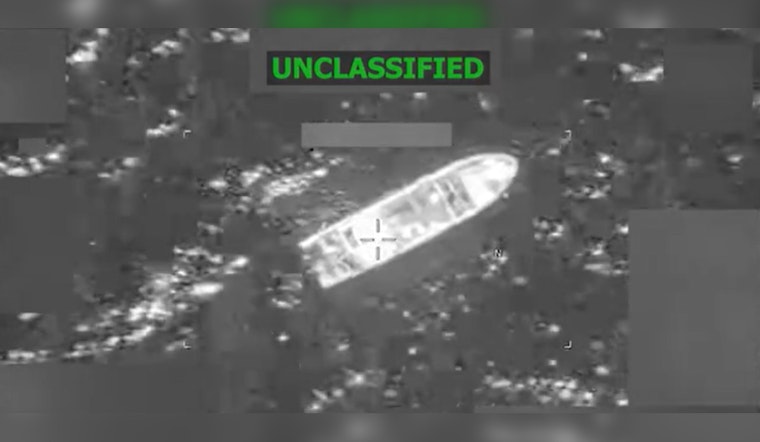
U.S. Southern Command says a lethal strike on an alleged drug‑trafficking boat in the eastern Pacific killed three people on Friday, the latest deadly hit in a months‑long campaign the administration describes as targeting "narco‑terrorists." The command said the operation, directed by Joint Task Force Southern Spear, did not injure any U.S. personnel and released video that shows the small vessel erupting in flames moments after being struck.
How the strike was reported
News outlets that reviewed the military’s post say the clip shows a small, open boat taking a direct hit before it is quickly engulfed by fire. According to CNN, the Feb. 20 strike pushed the campaign’s reported death toll into the high‑130s, though day‑to‑day figures have shifted as officials and news organizations update their counts. CBS News reported that a series of recent operations earlier in the week killed 11 people across three separate engagements.
What the military released
In its short statement accompanying the video, U.S. Southern Command said that "intelligence confirmed the vessel was transiting along known narco‑trafficking routes and was engaged in narco‑trafficking operations." The command described those killed as "male narco‑terrorists" and said Joint Task Force Southern Spear executed the strike at the direction of Gen. Francis L. Donovan. U.S. Southern Command added that the U.S. Coast Guard was notified so that search‑and‑rescue procedures could be activated where appropriate.
Legal questions and oversight
The campaign has drawn increasingly sharp criticism from human‑rights advocates, legal scholars and some members of Congress, who question the legality of using lethal force against unflagged or small commercial vessels without publicly disclosed evidence. They argue that such strikes raise serious due‑process and international‑law concerns. The Guardian reported that a controversial follow‑up strike last year, in which survivors of an initial attack were later killed, triggered congressional probes and fresh demands for transparency. Legal experts cited in coverage of those incidents say firing on shipwrecked survivors would violate the laws of armed conflict and could expose U.S. personnel to criminal liability.
Why it matters
Supporters inside government frame the strikes as a hard‑line tactic intended to choke off maritime narcotics routes. Critics counter that the operations risk diplomatic fallout and legal exposure, especially in the absence of clear, publicly available proof that each targeted boat is directly tied to senior cartel figures. The Associated Press has documented growing interest in Congress in obtaining unedited footage and holding oversight hearings to scrutinize the rules of engagement. While the military continues to release short, edited clips, human‑rights groups and some U.S. allies are pressing for fuller disclosure and independent verification of what is happening on the water.





