

























































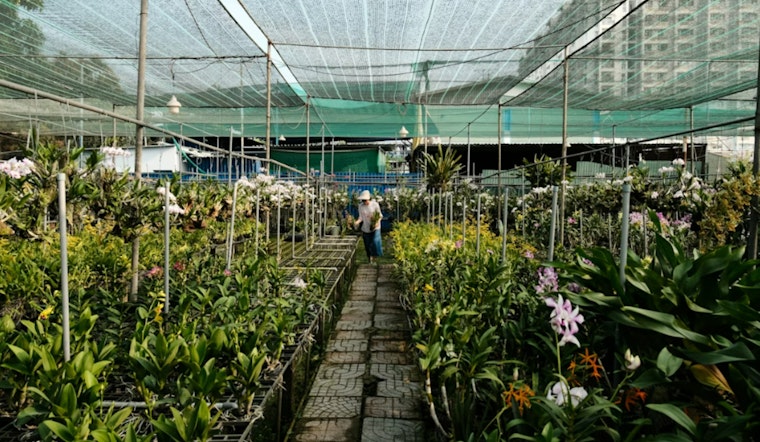
Plant nursery workers across Miami-Dade are shifting their focus from stalled government rules to the customers with real buying power. After local and state efforts to adopt heat protections sputtered out, workers and organizers say their best shot at basic safeguards is a legally binding contract with major retailers that would lock in access to water, shade and paid rest breaks on dangerously hot days.
Surveyed Workers Say Breaks And Shade Are Rare
A survey of more than 300 South Florida nursery workers found that 86% reported an illness or accident on the job and that more than four in five were not provided shaded breaks during hot weather, as reported by Miami Herald. Organizers behind the Planting Justice campaign are now asking major buyers, including Home Depot, Lowe’s, Walmart, Trader Joe’s and IKEA, along with large growers, to sign a legally binding contract that would require water, rest, shade and paid sick days, according to that reporting.
Workers Push Planting Justice Contracts
The worker-led Planting Justice (Sembrando Justicia) campaign is modeled on the Fair Food Program and uses a worker-driven social responsibility approach to create real market consequences for suppliers that do not follow the rules. WeCount describes Planting Justice as a program where workers help set standards and monitor compliance, and Dēmos has outlined how worker-driven social responsibility agreements can give vulnerable workers leverage when government protections are weak.
County Measure Derailed By Industry Opposition
Miami-Dade officials drafted a first-of-its-kind county heat standard that would have required drinking water, shaded recovery periods and mandatory heat-exposure safety programs for outdoor workers, but the ordinance was ultimately withdrawn after heavy industry pushback, according to county legislative records. Coverage and reporting note that Costa Farms, one of the world’s largest ornamental plant growers, was a high-profile opponent of the county proposal while saying it invests in safety at its own facilities, per Miami Herald.
Heat Isn’t Hypothetical
Florida leads the nation in heat-related emergency room visits and hospitalizations, a recent analysis found, underscoring how exposed outdoor workers are to extreme conditions. Florida Policy Institute compiled statewide data, and reporting that measured workers’ core body temperatures has shown that structured, paid rest breaks and shade materially reduce dangerous heat strain, as documented in The Washington Post.
Retailers Could Be The Enforcers
Worker-driven social responsibility programs function by making major buyers the enforcers: if a grower fails to meet agreed standards, retailers shift purchases to compliant suppliers, creating financial consequences for those that do not comply, Dēmos explains. WeCount says Planting Justice aims to use that leverage to secure contracts with growers and retailers and to redirect purchases away from suppliers that refuse to meet the standards.
What Comes Next
OSHA proposed a national heat rule in 2024 that would set temperature-related triggers for water access and mandatory breaks, but its final form and timeline remain uncertain as it moves through regulatory review and shifting federal priorities, according to the agency’s rulemaking docket. OSHA paperwork outlines the proposed standard, and legal analyses of the regulatory outlook warn that agency pause and review could delay a uniform federal answer, which organizers say helps explain why workers are turning to retailers for more immediate, enforceable protections.





