

























































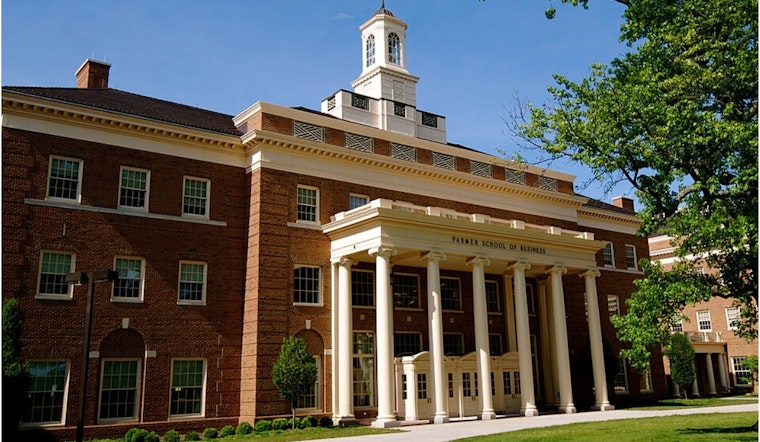
A recent study by economists from Miami University points to a stark consequence, late-night sports viewing may be linked to a fatal price on the road. The study, titled "Soccer’s Record on the Road: The Effect of Late-Night Sporting Events on Fatal Car Crashes," according to Miami University, zeroes in on how voluntary sleep loss from staying up to catch games can lead to a deadly outcome – fatal car accidents.
In an analysis that puts hard numbers to a somber reality, the study traces back to the 2002 FIFA World Cup broadcasts that aired during the wee hours for American audiences. As fans tuned in to follow the matches, a spike in fatal car crashes ensued. Peter Nencka, an assistant professor of Economics and lead author of the study, highlighted the protracted effects of such viewing habits. "If you’re staying up until 2 a.m. or 3 a.m. to watch a game, you’re not just losing one hour of sleep, you’re potentially losing many. You might do that for multiple weeks in a row," Nencka said, according to a Miami University report.
With the aid of the Fatal Accident Reporting System (FARS), which documents every fatal car crash in the U.S., researchers were able to control for variables such as weather and exclude alcohol-related incidents. The findings were clear: areas with higher concentrations of German-heritage residents, presumed to be more invested in Germany's matches, experienced a rise in car accidents following the games. This information supports the thesis that sleep deprivation, induced by late-night recreation, can directly lead to fatal consequences on the road.
Noah Meyers-Richter, one of the researchers and a student whose master's thesis birthed the project, conveyed the habitual nature of our leisure-induced insomnia. “Sleep loss is not without consequence,” Meyers-Richter said, in a statement obtained by Miami University, “It’s not just about protecting oneself and protecting one’s own safety, it’s also about protecting society.” Reflecting on his findings, Meyers-Richter admitted to a personal shift in approach to nocturnal activities, sobering insights that drive home the gravity of such risks.
The study’s implications extend well beyond the theoretical, suggesting actionable steps to mitigate the damage. Strategies such as public service announcements during late-night events and increased police presence post-game could potentially save lives by curbing the number of sleep-deprived drivers on the road. As the research builds upon existing literature about sleep loss and traffic safety, it has opened a new dialogue about the communal responsibility that comes with our choices of entertainment and the real-world impact they bear.




