

























































Police agencies across Michigan are quietly rethinking how tightly they want to be tied to federal immigration authorities as interior enforcement ramps up nationwide. From small suburban departments to larger county forces, chiefs are weighing legal risk, community trust and plain old staffing headaches as Immigration and Customs Enforcement activity rises. The result is a local reckoning over enforcement that immigrant advocates argue chills crime reporting, while many officials insist the focus is on getting serious offenders off the streets.
According to reporting by The Detroit News, several Michigan departments have told reporters they are actively re-evaluating when officers identify, hold or transfer people to ICE. At least two agencies said they are reviewing existing memoranda of agreement and internal procedures in response to recent federal operations.
Local Departments Flip-Flop
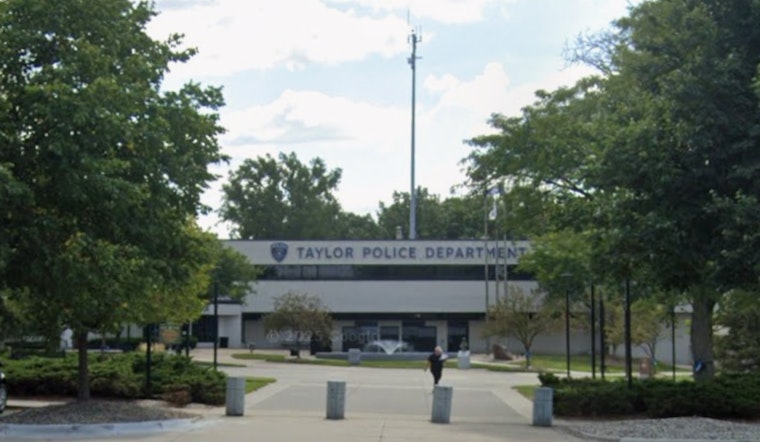
Some of the shifts have played out in public view. The Taylor Police Department signed a task-force 287(g) agreement in April 2025, according to the Detroit Free Press. Meanwhile, Center Line pulled out of its own agreement and the Metro Police Authority of Genesee County scrapped an earlier pact after public backlash, as reported by CBS Detroit. Together, those reversals show how quickly local politics and lawsuits alike can rewrite police-ICE partnerships.
Numbers Behind the Push
The raw numbers help explain why departments are suddenly so cautious. Data compiled by the Deportation Data Project and analyzed by researchers at UCLA show ICE street arrests more than quadrupled through Oct. 15, 2025, compared with the prior administration, with at-large arrests climbing even faster. Those trends, paired with falling release rates, are forcing local chiefs to ask whether cooperation with ICE bolsters or undercuts long-term public safety.
What Chiefs and Advocates Are Saying
Taylor Police Chief John Blair told the Detroit Free Press the 287(g) agreement "doesn't change anything," saying officers will continue to notify ICE when a lawful identification turns up immigration issues. Immigrant-rights groups, including the Michigan Immigrant Rights Center, counter that such agreements "carry so much legal liability" and erode trust between police and noncitizen residents, a concern highlighted in coverage by CBS Detroit.
What's at Stake Legally
The risks are not theoretical. The Taylor memorandum of agreement has already drawn a lawsuit, and court filings in Kachinski v. Taylor describe the battle over the April 28, 2025, task-force memorandum. Those documents underscore how much legal exposure and potential budget strain local governments can face when they enter federal immigration enforcement agreements in the glare of public scrutiny.
For now, several departments say their policy reviews are still underway, and there is no clear statewide playbook. Observers will be watching to see which agencies tighten, pause or cut back cooperation with ICE, and whether Michigan lawmakers or the courts step in to reshape the rules for local police.




