

























































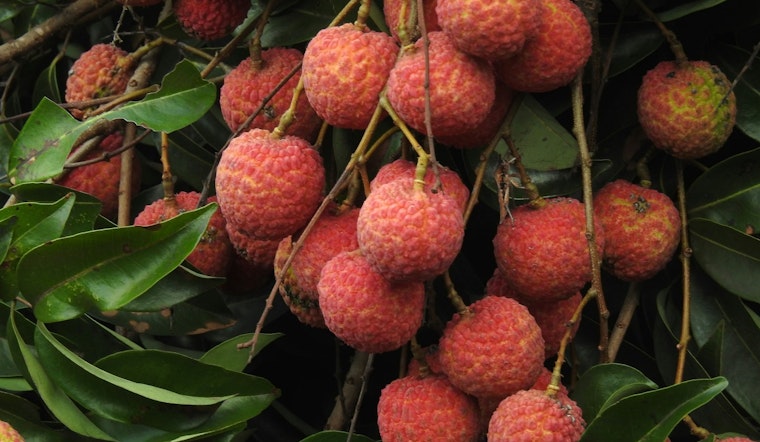
Florida’s backyard and commercial lychee trees are once again staring down the lychee erinose mite, a nearly invisible pest that creates fuzzy, felt-like galls on tender new leaves and can cut fruit production hard. First spotted in the state in 2018, the mite has since been detected across parts of central and south Florida and has already triggered regulatory moves. With lychee fruit and fresh growth arriving in late winter and early spring, this is prime time to comb through trees for the earliest warning signs.
On Thursday, Tampa Free Press highlighted a local how-to, pointing growers and homeowners to a bilingual UF/IFAS field guide that walks through scouting and treatment. According to Tampa Free Press, the Ask IFAS resource comes with photos plus step-by-step management instructions in both English and Spanish.
As detailed by UF/IFAS, the lychee erinose mite (Aceria litchii) feeds on new flush, generating erinea that cause leaves to curl and that can also show up on flowers and fruit, cutting yields when infestations are heavy. UF/IFAS advises cutting out and burning badly infested branches, then shielding the new flush with sulfur sprays. The agency notes that a Special Local Needs label is in place for Microthiol Disperss to help protect young shoots. Timing matters, since sulfur can scorch foliage in hot weather and does not mix safely with oil sprays or some acaricides, so UF/IFAS urges growers to lean on local extension guidance when they treat.
What New Research Shows
In a study reported in Scientific Reports, researchers followed 190 trees in a Homestead orchard and watched lychee erinose mite move fast once it got a foothold. It took only about 79 days for the first 10 percent of trees to become infested, and most of the remaining trees were hit over the next few months. The team found that the mite favors short hops within the canopy but also rides wind currents and tags along with pollinators, and they noted differences in how cultivars respond. That kind of quick, mostly local spread is exactly why catching the pest early and protecting new flush are the key pressure points for control.
Early detection is still the best play. Check emerging shoots and the undersides of fresh leaves for pale, silver white hairs that later turn reddish, and avoid handling suspicious foliage so you do not accidentally move mites around yourself. UF/IFAS and FDACS tell homeowners to report possible finds to the Division of Plant Industry, and UF/IFAS lists the FDACS-DPI helpline along with local extension contacts for sending in samples and getting a firm ID. If you spot erinea, prune and burn affected wood, then guard the regrowth with carefully timed sulfur sprays. Those applications are preventative, so they need to go on before new flush hardens.
What Growers Should Know
FDACS imposed a quarantine on Lee County after the 2018 discovery and has required compliance agreements for orchards in affected counties to limit how plant material moves, according to a published review of Florida detections. For orchards inside quarantine zones, researchers developed a postharvest paraffinic oil dip that disinfests fruit, and UF/IFAS testing paired with FDACS approval has allowed treated fruit to be shipped under specific conditions, with details laid out in a UF/IFAS Tropical Research & Education Center write up. Commercial growers are urged to check in with county extension and FDACS before sending fruit to market, since rules and approved tools can shift as agencies and researchers respond to new outbreaks.
With fresh flush and bloom on the way, now is the moment to sweep lychee canopies for trouble, keep pruning gear cleaned up, and send in questionable samples instead of sharing them around the neighborhood. Protecting Florida’s niche lychee industry will hinge on sharp eyes, careful cultural practices, and steady communication between homeowners, extension staff, and state regulators.


