

























































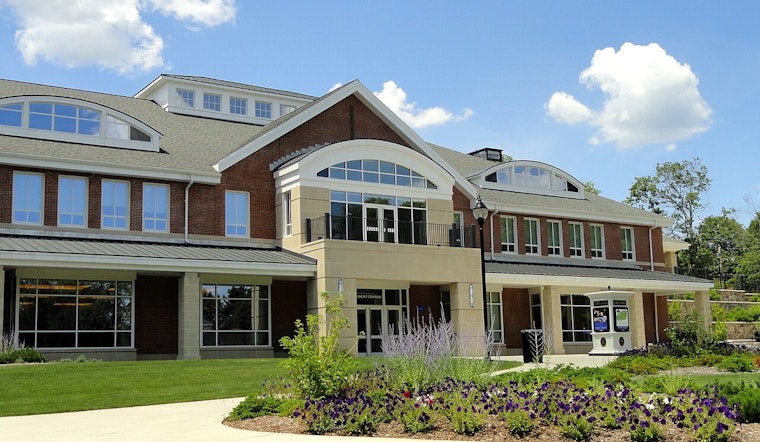
Milton's nursing education scene is in for a major shakeup. Curry College is set to assume control of the nursing programs and major assets of Labouré College of Healthcare, a deal that will ultimately lead Labouré to shut down its academic operations on Aug. 1, 2026. The agreement will move students, some faculty positions and program infrastructure to Curry and establish a new Labouré Center on Curry's campus to handle transfers and wraparound services. For Milton and the broader Boston region, the move reshuffles a long-standing pipeline for associate-degree nurses.
Deal details and timeline
According to the Boston Business Journal, Curry is acquiring Labouré's nursing program and "major assets," and Labouré plans to cease academic operations on Aug. 1, 2026. Curry will launch a Labouré Center that, as reported, "will provide additional resources for students transferring to Curry's nursing programs." The setup is being framed as a way to keep educational pathways open for current Labouré students while folding specialized training into a larger campus operation.
Labouré's role in the local nursing pipeline
Labouré, a private Milton college founded in 1892, has long served as a major producer of associate-degree nurses for Greater Boston. The college's own blog states that Labouré provides "the largest pipeline of associate-degree nurses to the Massachusetts workforce" and enrolls many local adult learners. That history means the planned closure is likely to affect clinical partnerships, employers that rely on its graduates, and students on LPN-to-RN and RN-to-BSN tracks. Labouré College of Healthcare documents this role and legacy.
Why Curry made the move
Curry has been pursuing a three-year strategic plan that prioritizes program growth, workforce alignment and the creation of new centers aimed at boosting student success and revenue. Bringing Labouré's nursing programs into Curry's School of Nursing and Health Sciences fits neatly into that strategy, expanding clinical placement capacity and student services while deepening Curry's presence in health education. The college has presented the Labouré Center as a one-stop hub for transfer advising, clinical coordination and other supports for students making the switch to Curry. Curry College outlines this recent push for partnerships and career-focused initiatives.
What students and staff should expect
The Boston Business Journal reports that Labouré will wind down courses after the summer term and that Curry will create pathways for current Labouré students to complete their credentials or transfer into Curry programs. Advising and teach-out planning are expected to unfold over the spring and summer, and affected students are being urged to watch for formal notices from both schools about credit transfer, clinical placements and financial aid. According to the reporting, staffing and faculty transitions will be handled through the asset transfer and related transition agreements.
Why this matters for the workforce
The consolidation lands at a time when nursing education and workforce planning remain unsettled in Massachusetts and across the country. A 2025 State of Nursing survey from the Massachusetts Nurses Association flagged ongoing staffing and retention pressures that are reshaping how hospitals and educators think about training pipelines. Local leaders say arrangements like the Curry-Labouré deal can help preserve capacity if transfers are handled carefully, but they also acknowledge the risk of disrupting the support networks that many nontraditional students count on to make it through nursing school.





