

























































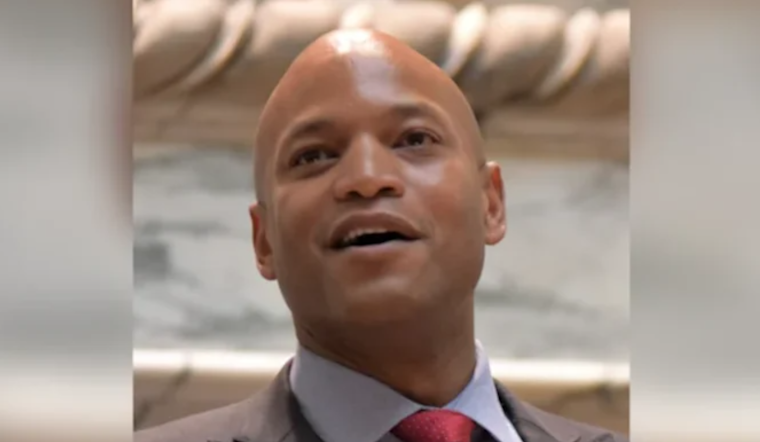
Gov. Wes Moore is still out front in early polling for Maryland’s 2026 governor’s race, but the numbers are not exactly singing in unison. Some surveys show him cruising with a comfortable edge, while others peg his approval in the low to mid 50s, giving Republicans just enough daylight to claim their attacks on taxes and the economy are starting to bite. With the filing deadline looming and a June primary on deck, those split results have turned into a running scoreboard for both parties.
What the poll tracker shows
An interactive poll tracker from The New York Times, which blends several recent surveys including work with Siena College, still has Moore ahead in a series of hypothetical matchups. The tool also makes clear that the size of that lead depends heavily on who is doing the polling and which Republican is plugged into the head-to-head. According to The New York Times, the broader trend still favors the incumbent, even as those margins expand or tighten from survey to survey.
Individual polls tell different stories
Drill down into the individual polls, and the narrative gets more complicated. A Gonzales Research poll highlighted by CBS Baltimore in January pegged Moore’s approval around 52 percent and underscored voter anxiety over taxes and the state budget. Statewide surveys from UMBC, on the other hand, have repeatedly shown Moore with double-digit advantages over generic Republican challengers, while national trackers such as Morning Consult rate him even higher on job performance indexes, a split that hands both campaigns ready-made talking points for ads and fundraising emails.
Why that split matters
Maryland’s Democratic tilt still makes the general election friendlier terrain for Moore. The Cook Political Report continues to list the 2026 governor’s race as safely Democratic. Even so, early polling helps shape donor enthusiasm, media narratives, and where outside groups decide to spend their money. State election officials note that the primary is set for June 23 and that candidate filing closes in late February, which means the next couple of weeks will effectively lock in who Moore is likely to face on the spring ballot, according to the Maryland State Board of Elections.
Campaigns push competing takes
Moore’s team has been leaning on the rosier national numbers. A campaign post touts Morning Consult’s 61 percent approval figure and brands it as proof of statewide momentum, with the write-up hosted on the governor’s campaign site. Republicans, meanwhile, keep pointing back to polls like Gonzales to argue that Moore is exposed on affordability and taxes, a line of attack that has been echoed in local coverage and formal GOP statements. Both camps are now scrambling to turn those mixed snapshots into real-world momentum before the filing deadline hits and early voting begins.
What to watch next
In the near term, the basics matter. Watch who actually files by Feb. 24, 2026, and how early head-to-head polling shifts once the field is set; the League of Women Voters calendar notes that the candidate filing window runs through late February. Voters will also be weighing Moore’s handling of marquee issues, from the state’s structural budget gap to the Potomac sewage response, and how those decisions land in the suburbs and Baltimore City. Swings among independents in those areas could drive turnout this fall, according to reporting by the Associated Press. Those shifts will help decide where money, ads, and big-name endorsements land before early voting opens in June.





.jpg)