

























































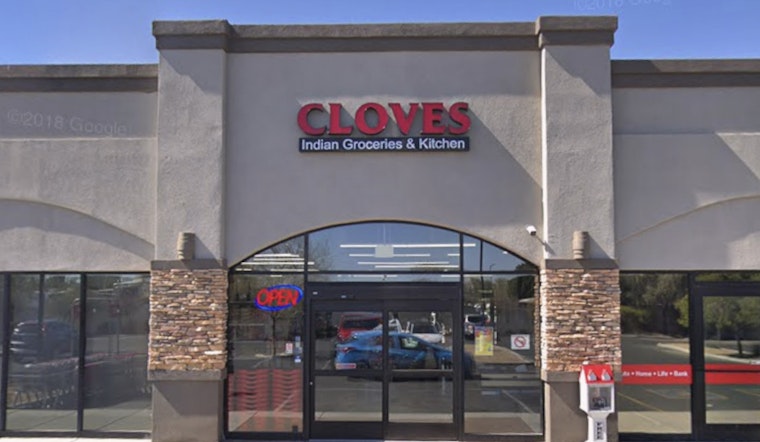
Expired curry and sketchy-looking tamarinds were enough to get two metro Phoenix kitchens in hot water with Maricopa County health inspectors this month. Inspectors logged a combined 12 health-code violations across the two food businesses, including a “white, possibly moldy” substance on tamarinds and expired prepared curry. One operation, an Indian grocery and kitchen in Chandler, was tagged with eight violations, while a separate kitchen picked up four citations tied to unsafe handling and temperature control. The findings come from county inspection logs and local reporting that pulled together the most serious priority violations.
Inspections and reporting
According to The Arizona Republic, recent Maricopa County records list items such as expired chana masala and unprotected bare-hand contact as priority violations. The county publishes full inspection reports and grade cards online through its restaurant inspection tool, which spells out each violation and notes whether inspectors accepted corrective action during the visit. We reviewed the public inspection tool to confirm the line-by-line entries cited in local coverage.
What inspectors recorded
Arizona's Family reports that Cloves Indian Groceries and Kitchen in Chandler was cited for eight violations. Inspectors noted a missing hand-wash sink in the customer service line, a “white organic substance” on tamarind, raw chicken stored above raw eggs, and buckets of rice left on the floor. In the same round of visits, Fuji San Sushi and Grill received four violations, including a chef handling raw cabbage with bare hands and foods held at unsafe temperatures. Together, those inspections account for the 12 violations recorded across the two sites.
Why these are treated as serious
Maricopa County classifies priority violations as problems that directly raise the risk of foodborne illness. That includes things like bare-hand contact with ready-to-eat foods and improper hot or cold holding of potentially hazardous items. The county’s grading matrix links repeated priority violations to tougher enforcement, and its online inspection pages define each violation and show whether issues were corrected on the spot or flagged for follow-up. Those details guide public health staff in deciding when reinspections or administrative action are warranted.
What diners should do
Arizona's Family and other local roundups link directly to the county reports so customers can read the full inspection notes and see when they were posted. If you are uneasy about a spot you plan to visit, you can look it up in the county’s inspection tool and ask the business how and when the listed issues were fixed. Routine inspections often lead to on-the-spot corrections, but the public records show whether a violation was officially closed out or if a reinspection was scheduled.




