

























































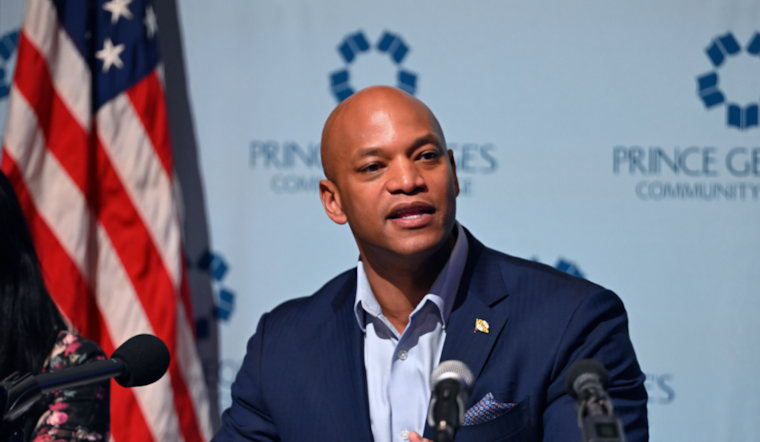
Gov. Wes Moore used his fourth State of the State yesterday to throw down a go-big-or-go-home agenda from the Maryland State House in Annapolis, pairing eye-popping budget numbers with targeted moves on housing, education, public safety and artificial intelligence. He cast the plan as Maryland's play to stay competitive while trying to shield communities from rising costs and intensified federal enforcement, teeing up weeks of hearings and hard bargaining in Annapolis.
Big Numbers, Record Spending, No New Taxes
At the center of Moore's pitch is a $70.8 billion operating budget for FY2027 that he says closes a projected $1.5 billion shortfall without new taxes, leaning instead on nearly $900 million in targeted cuts and other maneuvers. According to the Office of Governor Wes Moore, the proposal includes a record $124.1 million for the State Aid for Police Protection Program and about $10.2 billion for K-12 education. The administration's emphasis on energy costs and economic competitiveness in the address was also covered by CBS Baltimore.
AI: Training Workers And Improving Services
Moore sketched out a three-part strategy on artificial intelligence that ties together workforce training and government customer service. He proposed $4 million for hands-on AI training so workers can land and keep jobs in an economy tilting toward automation, while also pledging to roll out AI tools to help Marylanders navigate SNAP, Medicaid, unemployment insurance and child-care subsidies. Moore insisted the technology must support workers, not supplant them, a line and framework highlighted in coverage from WBALTV.
Housing Focused On Transit
On housing, Moore doubled down on transit-oriented development as his answer to affordability pressures. He is pushing legislation to unlock more than 300 acres of state-owned land near transit, strip out some parking requirements and clear the way for roughly 7,000 new homes at key hubs. The Maryland Transit & Housing Opportunity Act, along with the Starter and Silver Homes bills, is designed to speed construction and boost smaller, lower-cost housing types. The administration pointed to a planned Capitol Heights redevelopment as an early test case, with the package and its goals detailed in local reporting by WYPR.
Budget Trade-offs And Local Pushback
Behind the headline numbers, analysts and county leaders are already eyeing the fine print. A county-level review from Conduit Street warned that the budget leans heavily on one-time fixes, fund swaps and transfers that could shift costs onto local governments and tangle municipal budgets. The analysis notes that the plan keeps the Rainy Day Fund at 8 percent but questions how sustainable some of the transfers will look a few years down the road, a concern lawmakers are expected to carry into negotiations.
Political Reaction And The Road Ahead
Republicans answered with a pre-recorded rebuttal from Senate Minority Leader Stephen Hershey Jr., who argued that "words are fine, but results matter more," according to Maryland Matters. Moore, for his part, used the speech to push for mid-cycle redistricting, roll out an Immigrant Rights Task Force and launch a Citizenship Maryland initiative to expand naturalization help statewide, moves that were broken down and debated on WBAL NewsRadio.
Now the clock starts. Lawmakers face weeks of committee hearings and behind-closed-doors bargaining, and the FY2027 budget package has to clear the General Assembly by early April to take effect July 1, as noted by The BayNet. The administration says the Immigrant Rights Task Force is expected to deliver an initial report in about three months and a final report in roughly a year, according to The Daily Record. Expect tense hearings in Annapolis as lawmakers weigh Moore's mix of big-ticket investments and short-term fixes against the state's longer-term structural budget problems.





