

























































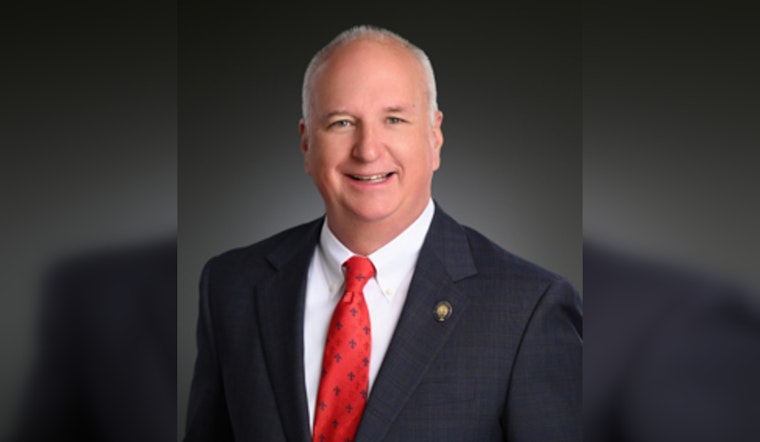
Louisiana judges and district attorneys could find themselves on the political hot seat under a new proposal from State Sen. Jay Morris, who wants to give the governor a clear path to recommend suspending or removing them for malfeasance, gross misconduct or incompetence.
Under his plan, the state Senate would get the final say, with supermajority votes required both to sideline an official and to kick them out of office for good. Anyone removed would be permanently barred from seeking a judicial post in Louisiana. Morris is pitching the move as a way to rebuild public trust after a string of headline-grabbing breakdowns in supervision and prosecution.
What SB 123 Would Do
As laid out by the Louisiana Legislature, Senate Bill 123 is a proposed constitutional amendment to Article IV that would let the governor issue an executive order recommending suspension or removal of a district attorney or a district, juvenile, family or municipal court judge.
The grounds would be limited to malfeasance, gross misconduct or incompetence. The draft language spells out a few key pieces:
- A recommended suspension would be with pay and could not last longer than six months.
- The Senate could affirm a suspension by a two-thirds vote, including by written ballot.
- To remove a suspended official, the Senate would have to hold a trial and again reach a two-thirds vote for removal.
- Anyone removed under this process could never again seek judicial office in Louisiana.
Morris Calls It an Accountability Fix
Sen. Morris, a Republican from West Monroe, told the Minden Press-Herald that, in his view, “the people of Louisiana are fed up with a system that allows repeat violent offenders to cycle through the courts without consequence.”
He acknowledged that the proposal is likely to draw fire, but argued that both statutory and constitutional changes are needed after what he described as repeated institutional failures in how cases move through the courts.
Cases Supporters Keep Pointing To
Supporters of SB 123 regularly cite a handful of violent incidents as evidence that the current system is not working.
One is the January 2024 killing of visitor Jacob Carter outside the French Quarter. Local coverage tied that case to supervision questions involving a juvenile suspect. As reported by FOX 8, a teenager was arrested in connection with the killing, and questions about supervision and monitoring followed.
Backers also point to the June 2024 slaying of tour guide Kristie Thibodeaux, in which coverage has indicated a juvenile wearing a court-ordered ankle monitor fired the fatal shot while the monitor was not working. FOX 8 later reported guilty pleas tied to that case.
Another frequently cited example is the 2022 shooting that left University of New Orleans student Noah Hansard paralyzed. Local outlets tracked prosecutors’ deadlines and decisions in that matter, and KSLA has detailed parts of the case, including how the suspect would be tried.
How SB 123 Would Move Forward
SB 123 has been prefiled for the 2026 regular session and is listed as pending in Senate Judiciary B, according to the bill’s official page. Louisiana Legislature records show that placing the proposed constitutional amendment on the ballot would require approval by two-thirds of each legislative chamber.
If lawmakers sign off, the measure is written to appear before voters at the statewide election scheduled for April 17, 2027.
The Political And Legal Minefield Ahead
Even if it has political momentum, the proposal has a long climb. It must get through committee, survive what is almost certain to be a loud debate over separation of powers and judicial independence, then clear supermajority thresholds in both chambers before it ever reaches the public.
Supporters are framing SB 123 as a victims-rights and accountability measure. Critics, once hearings begin, are expected to warn about expanding executive influence over prosecutors and judges and to question whether the fix creates a new problem while trying to solve another.
What To Watch Next
Key signals to watch will be when Senate Judiciary B schedules its first hearing, whether judges’ groups and district attorneys show up with strong testimony for or against, and if the governor or attorney general take a clear position.
If SB 123 manages to clear all the procedural hurdles that its own text requires, the final verdict would rest with Louisiana voters in April 2027.





