

























































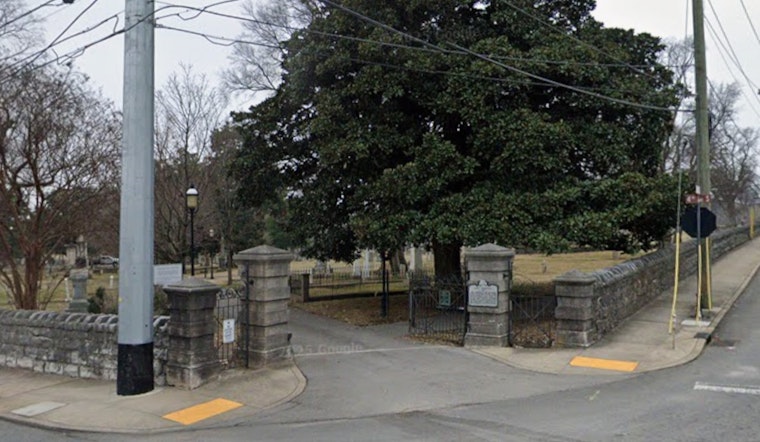
Nashville City Cemetery is taking a very visible step to acknowledge an often invisible history, moving ahead with plans for a permanent memorial bench honoring the thousands of Black Nashvillians buried there while enslaved. The Nashville City Cemetery Association is launching a focused fundraising push tied to the memorial, while also exploring archaeological and mapping tools that could help locate unmarked graves. Organizers say the bench and plaque are meant to give the public a clear, physical place to recognize lives that have gone largely unmarked for generations.
Bench campaign and timeline
The association is aiming to raise $10,000 to pay for a memorial bench and related signage, with a target of having it funded and installed by the end of this year, "certainly by next Black History Month," site manager Bryan Gilley said, as reported by WKRN. Volunteers and board members describe the bench as a near-term, public gesture that can move forward while they continue longer-term research and marking projects.
Numbers under the grass
Public records and the cemetery’s own documentation show that City Cemetery has served Nashville since the 1820s and now holds roughly 20,000 interments, with only a fraction still identified by durable headstones. The Nashville City Cemetery Association notes that many stones have weathered away or disappeared altogether, leaving detailed sexton and interment books as the main guides to who is actually buried on the grounds. Much of that paperwork is preserved on the cemetery’s own site, and both NCCA and Metro records indicate that existing markers significantly undercount the number of people interred there.
Mapping the unmarked graves
Cemetery leaders say they hope to bring in ground-penetrating radar to help locate unmarked remains if additional funding comes through and once the bench campaign is completed, a move they describe as a way to move from symbolic recognition toward documented commemoration. "Much of the open space in the back of the cemetery contains graves," Bryan Gilley told reporters, and association leaders say GPR would allow them to map burials below the surface without disturbing the soil, according to WKRN. Those maps would then guide decisions about whether and where to place additional markers or interpretive signs in a way that is both accurate and respectful.
Local partners and precedents
Across Nashville, institutions have been stepping up similar efforts to acknowledge enslaved labor. Belmont University, for example, dedicated a Freedom Plaza in 2021 to honor enslaved people who worked on the Acklen estate and has encouraged related memorial projects, as detailed by Belmont University. Community leaders and clergy also backed the City Cemetery Association’s plans during recent Black History Month events, an initiative highlighted in the Metro Historical Commission’s outreach bulletin. Those conversations, involving board members, judges, and pastors, helped push the association to move beyond quiet archival work and launch a more public-facing campaign.
How to help and next steps
The Nashville City Cemetery Association is currently accepting donations and volunteer inquiries through its website. Organizers say smaller contributions will go directly toward the bench fund, while additional support could help pay for future GPR surveys and new markers. For now, the bench is intended to serve as both a place for quiet reflection and the first in a series of concrete steps to bring the cemetery’s buried histories into public view, according to the association.





