

























































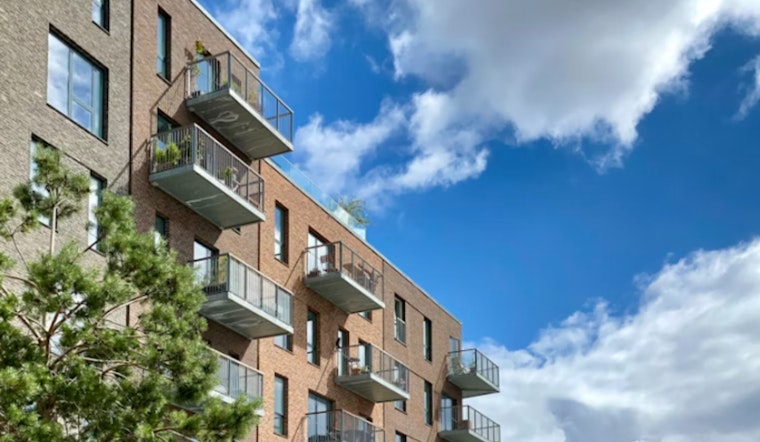
Nashville's Catalyst Fund just put real money on the table, closing about $11 million in short-term loans that officials say should clear the way for roughly 490 affordable apartments across the city. It is the first sizable wave of lending since the fund launched last summer, and managers say the goal is simple enough in a brutally competitive housing market: give mission-driven developers the cash they need, when they need it. City leaders and philanthropic backers are pitching this latest move as proof that flexible, recycled capital can both preserve at-risk units and speed up new construction near jobs and transit.
As reported by the Nashville Business Journal, the fund has closed roughly $11 million in loans that together are expected to unlock or preserve about 490 units. According to the Business Journal, the loans span acquisition, bridge, and predevelopment categories, each meant to cover timing gaps while projects line up tax credits or other long-term subsidies.
The Catalyst Fund launched in June 2024 as a public-private partnership with an initial capital stack of roughly $75 million. That pot includes a Metro contribution, a credit facility led by First Horizon, and an institutional commitment from Vanderbilt, and the fund is jointly run with the Community Foundation of Middle Tennessee. According to the City of Nashville, Forsyth Street Asset Management handles the day-to-day fund operations, Pillars Development serves as a development partner, and First Horizon leads the financing.
Loans Back Preservation And New Builds
The fund's public project list highlights a few early headliners. Recent loans include a $2 million bridge for Madison Station, a roughly $3.47 million acquisition on Jefferson Street, and a $3.14 million package for Liberty Lane. Together, those three deals account for a big share of the $11 million deployed so far and show how the fund is leaning into quick, short-term capital to secure land, keep existing units affordable, and push some projects into active construction.
The mix of acquisition, bridge, and predevelopment loans is intentionally short-term so that projects can swap into permanent financing once public subsidies are in place, according to the Nashville Catalyst Fund. In theory, that structure lets the same pool of dollars get used again and again, instead of disappearing into a single project.
Where This Fits In The City's Plan
Even with this latest flurry of activity, $11 million is a small slice of what Nashville needs. The city's Unified Housing Strategy estimates the region will need on the order of 90,000 new homes over the next decade just to keep up with growth. The strategy and local housing advocates have emphasized that no single tool will solve that gap, and that Nashville will need a blend of preservation efforts, new production, and catalytic loan pools like this one to protect lower-cost housing as demand and prices keep climbing, according to the Unified Housing Strategy.
Backers of the Catalyst Fund say the initial capital is meant to be recycled into many more deals over time. At launch, projections pegged the fund as a vehicle that could help support thousands of affordable homes over roughly a decade. The Community Foundation of Middle Tennessee has previously noted that the fund closed early commitments and had already made a smaller pilot loan, and that it plans to keep raising money and closing transactions as developers bring viable projects into the pipeline. CFMT detailed the first small investment last year.
Developers, community groups, and plenty of renters will now be watching to see whether short-term bridge capital from the Catalyst Fund actually converts pipeline concepts into long-term, subsidized deals, and whether the fund can grow beyond this initial round of loans. We will be keeping an eye on the next batch of closings and any affordability commitments that are attached to them.





