

























































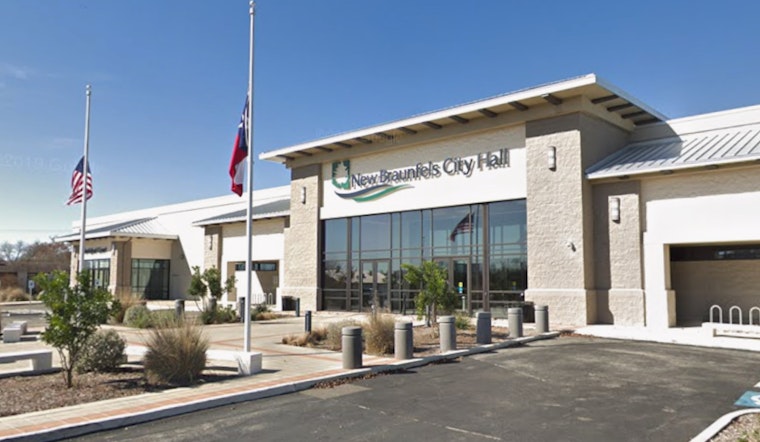
New Braunfels City Council has cleared a major procedural hurdle for a large new residential development just outside city limits, voting on Feb. 9 to consent to the creation of the Botanical Farm Municipal Utility District in the city's extraterritorial jurisdiction in Guadalupe County. The move opens the door for roughly 250 acres of new subdivisions but stops short of fully creating the district. State-level approval and additional local steps are still required before a MUD board can issue bonds or set tax rates.
What the council approved
The consent resolution covers a 250.25-acre tract bounded by Union Wine Road, Youngsford Road, FM 1044 and Elmons Road and lays the groundwork for the planned Colina Ranch and Autumn Ridge subdivisions. The council's meeting materials included maps, a petition to create the district, a proposed development agreement and a draft resolution, and recommended consent so the developer could start the state formation process, according to the city meeting packet.
Who’s behind the project
The tract is listed under O Union Wine Rd LLC, with Lennar Homes of Texas Land & Construction as the applicant. Council's vote gives those parties permission to seek formal creation of the district from state regulators, as reported by Community Impact. City staff characterized the council action as procedural consent that keeps New Braunfels at the table through a required development agreement, where details like design standards and infrastructure expectations will be hammered out. Public hearings, state review and later platting will shape when and how the new neighborhoods actually rise out of the pasture.
Water, wastewater and how costs are covered
City documents identify Green Valley Special Utility District as the expected water provider and the Guadalupe‑Blanco River Authority as the likely wastewater provider for the development. Under Texas law, municipal utility districts can finance roads, water, sewer and other infrastructure by issuing bonds that are typically repaid by property owners inside the district, according to Texas Water Code Chapter 54. An elected MUD board may also levy taxes and fees to cover long-term operations and debt, obligations that can stick with homeowners even if the neighborhood never comes into the city limits.
Timeline and next steps
The developer filed the petition to create the district on Jan. 16, 2026, and the city's 90-day statutory review window runs through April 16, 2026, setting the near-term schedule for any city action, according to the city meeting packet. If the city were to object, the applicant could still ask the Texas Commission on Environmental Quality to create the district. Even with state approval, the district would have to adopt a strategic and operational plan before it could start acting like a full-fledged MUD. City staff recommended council consent but stressed that a separate development agreement will be needed to lock in how the project meets local standards.
Why neighbors should pay attention
Under city policy, any MUD developer must sign a development agreement that lines up the project with Envision New Braunfels, the city's comprehensive plan. That agreement is expected to address housing mix, landscaping, tree preservation, lighting and traffic impacts, among other issues, according to planning materials at Envision New Braunfels. Because the land sits in the extraterritorial jurisdiction, not inside city limits, that agreement is one of the main tools New Braunfels has to influence how the new subdivisions look and function. Nearby residents may want to watch for public notices, plats and community meetings as engineers, utility providers and the developer move the project from a dry petition on paper to streets, pipes and homes on the ground.





