

























































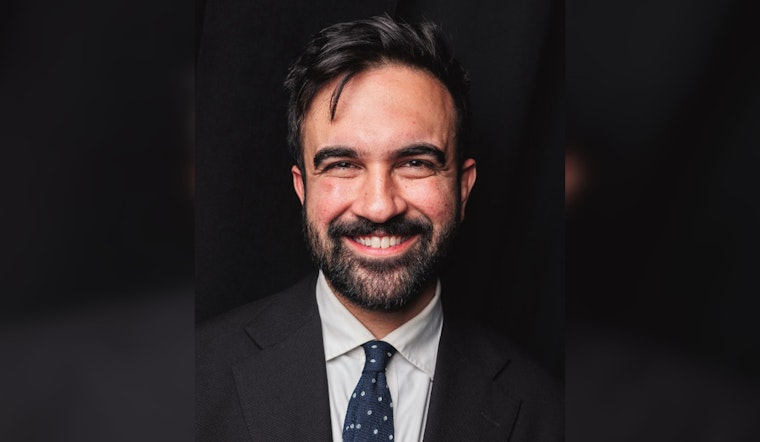
Mayor Zohran Mamdani, in coordination with the Department of Social Services (DSS), has opened a new Safe Haven shelter in Lower Manhattan. The facility, managed by the nonprofit Breaking Ground, will provide shelter for up to 106 people, with priority given to older adults. The shelter is part of the city’s efforts to respond to recent cold weather. According to the official announcement, the facility will offer shelter and supportive services to residents.
The Mamdani administration accelerated the opening of the new shelter to provide immediate housing for homeless New Yorkers. DSS Commissioner Molly Wasow Park stated that the expedited opening is part of the city’s response to the ongoing weather emergency. The facility is designed to offer protection from cold temperatures and support transitions to long-term housing, particularly for individuals who have not used other forms of assistance. Last year, more than 1,000 New Yorkers moved from Safe Havens to permanent housing.
Safe Havens were established as an alternative to the traditional shelter system. These lower-barrier facilities provide on-site services to support residents and assist in transitioning from the streets. In an official release, Brenda Rosen, President and CEO of Breaking Ground, acknowledged the city’s support and described the organization’s role in providing services and partnering with the local community. Kristin Miller, Executive Director of Homeless Services United, noted the city’s prompt response to the cold weather.
Organizations such as the Coalition for the Homeless have noted that the new Lower Manhattan Safe Haven addresses a previously identified need for additional beds. David Giffen, Executive Director, described the expedited opening of the shelter as a measure to support the local community. To assist homeless individuals during the ongoing code blue alert, the city has deployed 20 mobile warming units and expanded single-room-occupancy shelter units in Upper Manhattan. Since January 19, DSS outreach teams have placed 980 individuals in shelters and are scheduled to check on homeless residents every four hours during the code blue emergency. Calls to 311 from individuals seeking assistance on the streets are directed to emergency responders.





_(cropped).jpg)