

























































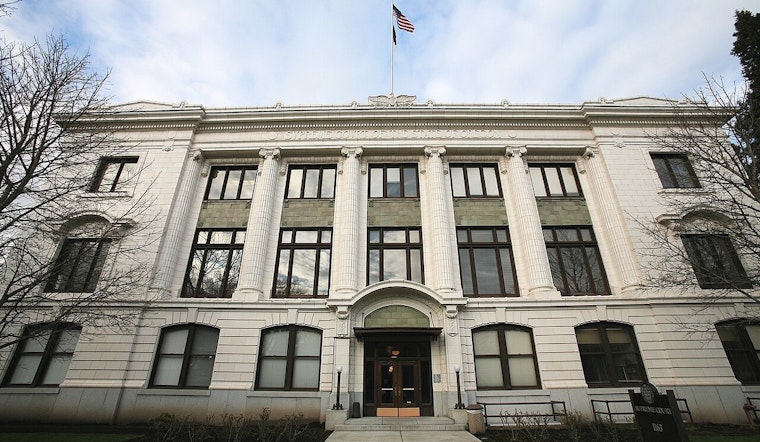
Oregon's highest court just put prosecutors on a strict timetable: if the state cannot find a lawyer for someone who qualifies for a public defender, the case can get tossed.
In a unanimous ruling issued Thursday, the Oregon Supreme Court said criminal charges must be dismissed when eligible defendants are left without court-appointed counsel past specific deadlines. Under the new rule, misdemeanors should be dismissed if a public defender is not assigned within 60 days of arraignment, and felonies should be dismissed if no lawyer is named within 90 days. The decision immediately raises the prospect that hundreds or even thousands of pending prosecutions could be dismissed or forced to restart while the state tries to rebuild its battered public defense system.
The case that triggered the decision, State v. Roberts, began in Multnomah County, where Allen Rex Roberts was arraigned on vehicle theft related charges and repeatedly returned to court without a named attorney. Judges and advocates have long described Oregon's indigent defense troubles as a chronic failure to provide timely counsel, and the justices agreed that the delays cause concrete pretrial harms. As reported by OPB, the court said dismissal without prejudice can be an appropriate remedy when those delays cross constitutional lines.
The Court's New Clock
Writing for a unanimous court, Chief Justice Rebecca Duncan said a defendant is entitled to dismissal when the state fails to appoint counsel for "more than 60 consecutive days in a misdemeanor case or more than 90 consecutive days in a felony case." The opinion explains that dismissal without prejudice can "mitigate those pretrial harms" while still allowing the state to refile charges once an attorney is available. The full opinion is available on Justia.
How Many Cases Are Affected
By the state's own numbers, the ruling lands in the middle of an ongoing crisis. Data from the Oregon Public Defense Commission and court records show thousands of people in Oregon currently lack court-appointed counsel. The commission reported 2,494 people without representation at the end of January, a number advocates say still reflects a major shortfall.
Statewide estimates cited in local reporting indicate that at least 1,228 felony cases and 1,643 misdemeanor cases fall within the new time limits and could be subject to dismissal. National coverage has framed the decision as a response to a systemic public defender shortage that has left many defendants waiting months or even years to talk to a lawyer, according to The Guardian.
Officials' Reactions
Prosecutors are bracing for impact. Clackamas County District Attorney John Wentworth warned that the ruling "puts thousands of criminal prosecutions at risk" and called it an "immense waste of taxpayers' money," according to local reporting. Offices like his now face the prospect of watching cases unravel not because of shoddy police work or weak evidence, but because there is no lawyer available on the defense side.
The Oregon Public Defense Commission, which oversees the indigent defense system that has struggled to hire and retain enough attorneys, said it is still reviewing the decision. The agency said it plans to "collaborate with our partners in the criminal justice community to respond to this ruling and build on this progress while protecting defendants' rights and public safety." Gov. Tina Kotek recently tapped Ken Sanchagrin to lead the commission as it pursues reforms, according to the Rogue Valley Times.
What Comes Next
The Supreme Court did not order automatic dismissal in every case. Trial judges retain discretion, and dismissal is not required when a defendant fails to appear for required hearings. The justices also left room for judges to consider extraordinary circumstances that might justify delays.
At the same time, the opinion allows prosecutors to refile charges after a dismissal. Legal observers say that could lead to a churn of dismissal and reindictment in some cases while the state works to expand attorney capacity. Courts, district attorneys and defense providers now have to square the new deadlines with everyday scheduling realities, using the guidance in the Justia opinion as they figure out what the ruling means on the ground.





