

























































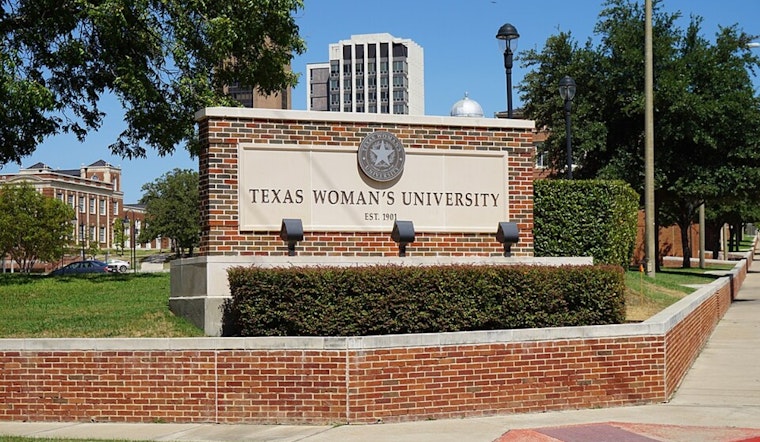
Two of Denton's biggest campuses are combing through their course catalogs in a sweeping review that touches nearly every corner of the classroom. University of North Texas and Texas Woman's University are in the middle of systemwide audits this spring, poring over thousands of classes and their syllabi to confirm that course descriptions and materials match institutional rules and legal requirements. TWU is reviewing nearly 3,000 undergraduate and graduate courses, while UNT's Denton campus has already examined more than 9,000 syllabi, according to administrators.
Faculty are feeling the clock. TWU asked professors to submit review materials by March 1, and UNT has set an internal deadline of April 1. Campus leaders say students could start seeing the results of those changes as soon as this academic year.
What’s being reviewed
According to The Dallas Morning News, TWU is running two overlapping reviews. One audit, launched in the wake of the Texas A&M classroom controversy, checks whether courses line up with "applicable federal and state laws and institutional priorities." A second, required by state law, scrutinizes general education offerings and minor programs.
TWU Provost Angela Bauer told regents that last Thursday, more than half of the system's courses had been submitted for review and that officials expect course changes to be in place by fall 2026. TWU spokesperson Matt Flores told the paper that neutral framing encourages faculty to frame their teaching around scholarly inquiry and academic exploration, and university leaders have been holding workshops and faculty forums to walk instructors through the process.
Why the reviews began
The wave of course checks across Texas traces back to a viral classroom recording at Texas A&M that sparked conservative backlash and intensified scrutiny over how gender identity and other topics appear in required coursework. The Texas Tribune reported that the lecturer's firing, along with the political pressure that followed, pushed system leaders to order broad reviews of classes. Some university systems have since adopted new teaching standards or cut certain courses.
Administrators say the audits are designed to keep campuses in step with executive directives and court rulings. Faculty groups counter that the reviews risk chilling classroom discussion and undermining academic freedom.
How state law plays in
Last year's Senate Bill 37 expanded the power of governor-appointed boards over what gets taught and required formal reviews of general education and certain degree programs. The law sets a January 1, 2027, deadline for governing boards to finish those initial reviews and certify that they comply with the statute, according to the Texas Legislature. It also revises shared-governance rules for faculty councils and instructs boards to factor in workforce demand and cost when deciding whether to keep or end academic programs.
What students and faculty should expect
Campus officials say a lot of what is happening is routine, like checking that syllabi accurately reflect catalog descriptions and stated learning objectives. Still, faculty could be required to rewrite course outlines, and some academic programs could be flagged for closer review based on low enrollment or questions about their value.
As The Dallas Morning News notes, other systems in Texas have already canceled or reshaped classes and rolled out new rules for how controversial topics are handled in the classroom. Faculty organizations warn that such moves will make instructors more hesitant to tackle sensitive material, while university leaders say their workshops and forums are meant to help preserve strong teaching within the new guardrails.
Both UNT and TWU say their reviews are still underway and are urging students to keep an eye on course listings and advising offices for any changes to degree plans. Officials have signaled they want the process to be transparent. In the meantime, faculty and students are watching closely to see how these audits translate into real shifts in what gets taught over the next year.





.jpg)