

























































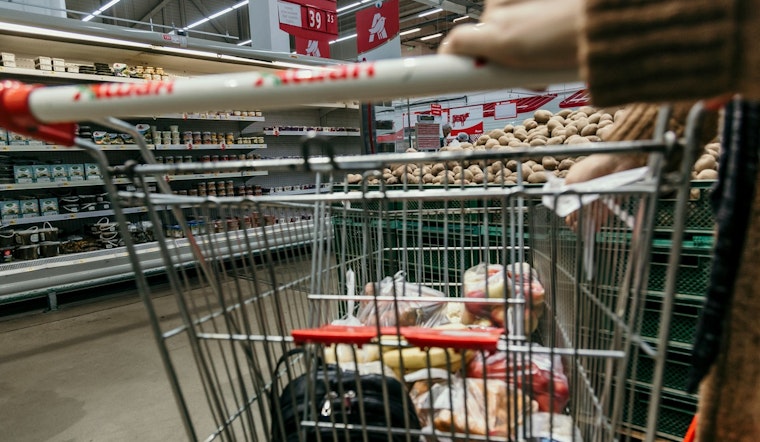
Mayor Freddie O’Connell wants to take a bite out of Nashville’s grocery bills, but a wrinkle in Tennessee law means he cannot touch the city’s local food tax without a green light from the state.
O’Connell plans to ask Metro Council to approve a resolution formally requesting that state lawmakers let Nashville reduce or even scrap its local grocery surcharge. He has said he hopes any change could line up with the city’s next budget this summer, folding the move into a wider affordability agenda that already includes free bus passes for residents receiving social services.
As reported by WSMV, the resolution would ask the General Assembly to let Metro lower or eliminate Nashville’s 2.75% grocery tax add-on. O’Connell told the station that any cut has to be balanced against Metro’s current financial obligations, but argued that trimming the local rate could leave more money in families’ pockets and push some of that cash back into neighborhood businesses. The station’s coverage features shoppers venting about steeper food bills and frames the proposal as a targeted affordability play, not a blanket tax revolt.
What lawmakers are debating
At the state level, the Tennessee General Assembly’s bill index shows several proposals in motion, including SB 1835 and HB 2059, which would reduce the state sales tax on groceries. Tax analysts have also flagged companion ideas that would give cities direct authority to tweak their own rates.
An explainer from Avalara details how various bills could phase in changes as soon as July 1 if they pass. Some approaches focus on cutting the state’s 4% share, while others zero in on loosening the rules for local governments. For Nashville, either a state-level rate cut or explicit local control would open the door to the relief O’Connell is chasing.
How much shoppers would save
Right now, Nashville shoppers pay both a 2.75% local grocery tax and Tennessee’s 4% state grocery tax, leaving many basic items taxed at around 6.75%. According to WSMV, any move to cut the city’s slice would force Metro Council and budget staff to figure out how to cover the resulting revenue hole.
Even so, shoppers quoted in local coverage say shaving just one or two percentage points off the bill would show up clearly at the register, especially for families who feel like every grocery run now comes with sticker shock.
Local precedents and budget tradeoffs
Some nearby communities have already tested the waters. Hendersonville, for example, lowered its local food tax late last year, a move detailed in Hendersonville’s local food tax cut. That decision gave shoppers a bit of breathing room at checkout.
Nashville, however, operates on a much larger budget and shoulders heavier responsibilities, including transit, schools, and a long list of city services. Any cut to the grocery tax would mean either finding replacement revenue or trimming spending elsewhere. Data from the USDA Economic Research Service show food consistently ranks among the biggest pieces of household budgets, which helps explain why elected officials are treating the issue with such urgency.
What’s next
Metro Council members are expected to take up O’Connell’s resolution next week. If they sign off, the request heads to the Capitol, where multiple food tax bills are already waiting in the queue.
O’Connell is effectively betting that state lawmakers will move fast enough for any grocery tax change to sync with Nashville’s summer budget process. Skeptics are already asking how the city will make up for lost revenue if relief arrives. For now, the pace of the debate is set by legislative committee schedules on one end and Metro’s budget calendar on the other, with Nashville shoppers watching to see whether their next cart of groceries gets even slightly cheaper.





