

























































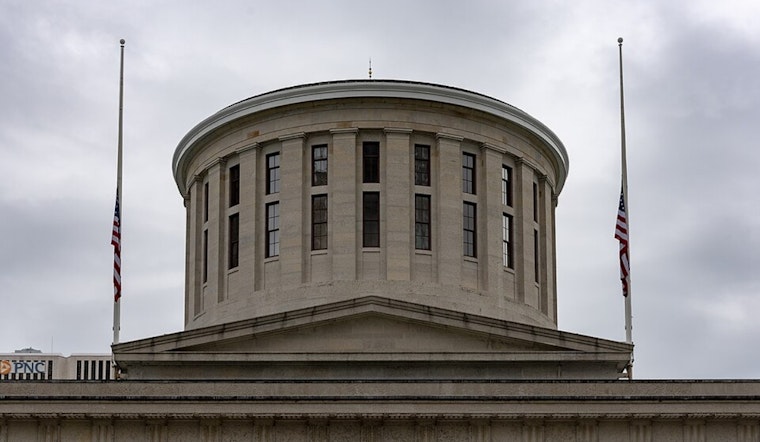
At the Ohio Statehouse, a rare bipartisan team-up is trying something small, cheap and very local to take a bite out of the state’s food deserts.
On Thursday, lawmakers in Columbus rolled out House Bill 543, a pilot plan that would send modest grants to neighborhood retailers - corner stores, gas stations and small markets - so they can start stocking produce and other healthy staples. Sponsors are openly billing it as a "proof of concept" experiment aimed at Ohioans who live far from a full-service grocery store.
According to the bill text on the Ohio Legislature, H.B. 543 would create a Food Desert Elimination Grant Program inside the Department of Development, with grants capped at $15,000 per qualifying grocery retailer in a fiscal year. To get the cash, stores would have to sell fresh fruits, vegetables and other healthful foods, then file quarterly reports so the state can track what is and is not working. The bill also sets aside $200,000 to run the pilot.
The sponsors, Reps. Terrence Upchurch (D-Cleveland) and Josh Williams (R-Sylvania Township), stress that this is aimed at the mom-and-pop end of the food chain, not big-box supermarkets. Williams told a committee that roughly 1.3 million Ohioans live far from a grocery store that carries fresh food, and more than 225,000 Ohioans do not have access to a car. Those figures and the sponsor comments were reported by Cleveland.com.
The bill tracks closely with the Ohio Association of Community Action Agencies' State of Poverty 2025 report, which found that 67 counties have at least one food desert and that these "resource deserts" tend to cluster in higher-poverty census tracts. The Statehouse News Bureau highlighted the report’s warning signs, including links between the loss of grocery stores and pharmacies and worsening local health outcomes.
How the pilot would work
Instead of dangling big incentives to land a supermarket, H.B. 543 leans into what is already on the block. Sponsors say the $15,000 ceiling is meant to help existing neighborhood retailers buy refrigeration, add or expand produce sections and cushion early losses from food that does not sell right away. The idea is to see whether a small public nudge can make healthy options a regular part of the corner-store lineup.
To qualify, stores would have to show they are located in an area designated by the USDA Food Access Research Atlas and document how they use the funds and what impact the changes have, through quarterly reports. The eligibility and reporting rules are laid out in the bill text on the Ohio Legislature.
Questions and next steps
Some lawmakers are already poking at the edges of the plan. Committee members questioned whether a small pilot like this might simply overlap with existing federal food benefits and nonprofit pantry networks instead of fixing the deeper market problems that chased supermarkets out in the first place.
Rep. James Hoops pressed on whether the program would duplicate efforts tied to SNAP and food pantries, while Rep. Darnell Brewer floated possible tweaks to encourage partnerships with local farmers and Ohio’s broader agricultural sector, as reported by Cleveland.com.
For now, H.B. 543 sits in the House Community Revitalization Committee. The sponsors say this is the testing phase: see whether a relatively small dose of public money can actually change what is on the shelves and what people eat, then talk about scaling up. Observers note that the pilot’s real test will be whether stores can keep fresh food in stock long after the grant money is gone, and whether the state is willing to grow the program if there are clear health or economic payoffs. The bill’s progress and current status are available on LegiScan.





