

























































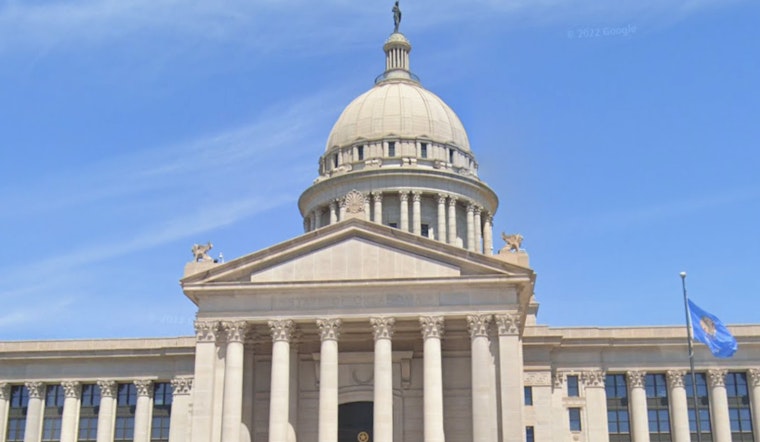
Jacob Towe is turning heartbreak into a political crusade at the Oklahoma state Capitol, pushing for "Leo’s Law" after his three-year-old son, Leo, died of fentanyl poisoning last year while in his mother’s care. Towe says the Department of Human Services did not test for fentanyl in his family’s case and believes mandatory testing could have saved his son. The proposed measure would tighten how child-welfare investigators handle suspected fentanyl exposure and add criminal penalties for caregivers who expose children. Towe has been circulating petitions and staging rallies as lawmakers gear up for the 2026 legislative session.
What Leo's Law Would Do
Filed this week as HB 4421 by House Speaker Kyle Hilbert, the proposal would require the Department of Human Services to include fentanyl testing on drug panels whenever fentanyl or methamphetamine is suspected. It would also direct investigators to seek a warrant if a caregiver refuses testing. The bill creates a state felony for knowingly exposing a child to fentanyl and sets up a revolving fund to help cover testing costs, according to the bill text. As introduced, HB 4421 and coverage from KJRH lay out the plan.
Father Says System Failed His Son
"I felt my son slipped through the cracks," Towe told reporters as he urged lawmakers to act. He added that if the law passes, "Leo will become the hero he wanted to be." In an interview with KFOR, Towe called mandatory testing "common sense" precisely because "every case is different." His push has included rallies at the Capitol steps and a petition drive aimed at building public pressure before formal hearings begin.
Legal Status And Implications
Okmulgee County prosecutors charged Leo’s mother, Jordan Burks, with felony child neglect after the medical examiner ruled Leonardo Towe’s death an accidental fentanyl poisoning, according to court documents and local reporting. The Oklahoma Department of Human Services has said it cannot comment on an ongoing investigation, and prosecutors maintain that the timing of charges followed DHS’s final report. Supporters of Leo’s Law argue the new procedures would give investigators clearer authority and could allow cases to be referred to a district attorney more quickly when caregivers refuse testing, according to News 9.
Why Lawmakers Say It Matters
Lawmakers and advocates point to a sharp rise in fentanyl deaths across Oklahoma as the backdrop for the bill. State data show fentanyl-involved overdose deaths climbed dramatically in recent years, reaching roughly 730 deaths in 2023 and 487 in 2024. Sponsors say fentanyl has become a dominant driver of opioid fatalities in Oklahoma, and they argue that child-welfare drug tests need to catch up to that reality. These trends, officials say, are why the state should consider formally adding fentanyl to DHS testing panels, according to the Oklahoma State Department of Health.
Next Steps
The bill was introduced on Monday as HB 4421 and now heads into the usual gantlet of committee assignments and hearings before it can advance. Backers say they will push for a fast track and are urging residents to follow the measure on the Oklahoma Legislature website and on bill-tracking services like LegiScan.




