

























































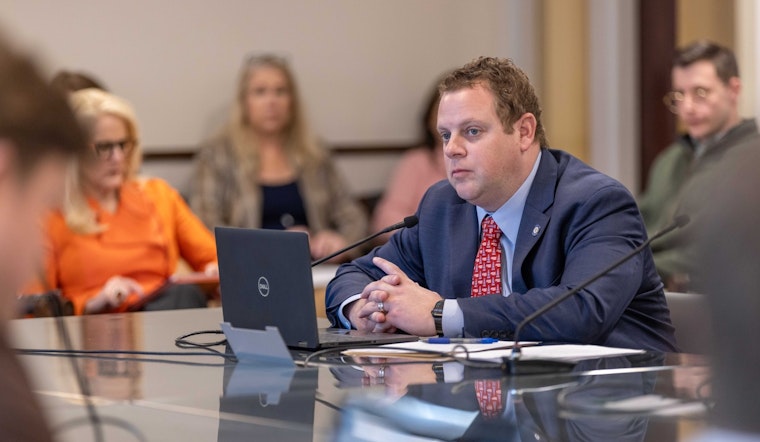
Oklahoma legislators are moving forward with a bill designed to prevent families and small businesses from bearing the brunt of rising utility bills due to the energy demands of large data centers. The Data Center Consumer Ratepayer Protection Act of 2026, sponsored by Rep. Brad Boles, has just cleared the House Utilities Policy Committee with unanimous support, taking a significant leap in the legislative process. The bill targets new facilities with a demand of 75 megawatts or more and excludes residential and smaller commercial customers from its purview.
Considering the influx of potential data centers to Oklahoma, the measure laid out by the bill ensures that the financial onus of infrastructure improvements does not fall on the average consumer. As reported by the Oklahoma House website, Rep. Boles highlighted the committee's understanding of the bill's necessity, saying, "With more than a dozen potential data centers considering our state, we must make sure everyday Oklahomans are not left paying higher electric bills because of increased demand. This is about protecting ratepayers and ensuring large energy users pay for the infrastructure needed to support their operations instead of shifting those costs onto families and small businesses."
According to the legislative text, the Oklahoma Corporation Commission would be obligated under the proposed law to keep rates equitable and assign costs based on the source of increased demand. Notably, electric suppliers are to negotiate separate terms for these large load customers, including safeguards like credit protections and a requisite 10-year service pledge to mitigate the risk of potential abandoned costs if the facilities were to cease or diminish operations significantly.
The bill's intent is to distribute the financial load fairly, as Boles emphasized in his commitment, "Oklahoma families should not be expected to finance major system upgrades required for high-demand users." Promising continued collaboration with stakeholders and fellow legislators, Boles' next step involves bringing the measure before the House Energy and Natural Resources Oversight Committee, over which he presides as chair, as mentioned on the Oklahoma House of Representatives website.





