

























































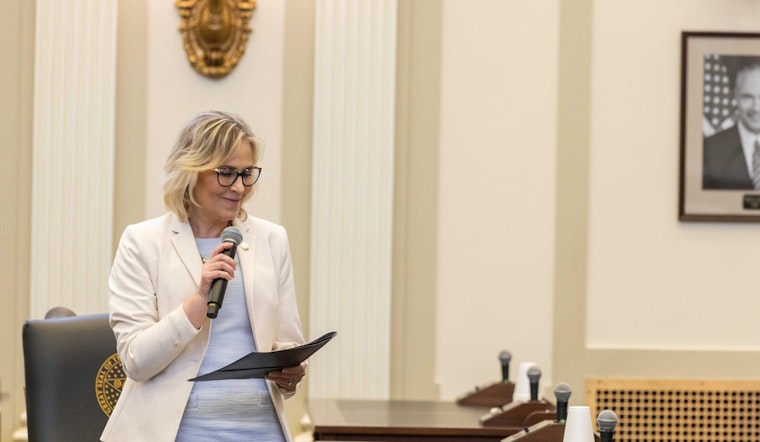
Oklahoma's House of Representatives has passed a bill designed to bolster the mental health workforce in community settings, according to an announcement from Rep. Nicole Miller's office. House Bill 4275, championed by Rep. Miller, seeks to expand the roles of certified behavioral health case managers and peer recovery support specialists beyond the confines of state employment—paving the way for them to work directly with county and municipal emergency responders.
Current legislation ties certification for these positions to the state, specific contractors, tribal entities, or veterans facilities, the bill Miller carries forward intends to change that, allowing for a wider net of service areas, including working closely with sheriffs, police and fire departments, a step that becomes all the more salient given the daily challenges first responders face involving mental health crises. Miller was quoted as saying, "Allied mental health professionals are a critical part of Oklahoma's behavioral health system," and she expressed the importance of removing "As we continue strengthening that system, we have to make sure the professionals who are trained and certified to help can serve where they are needed most. This bill removes unnecessary barriers so behavioral health case managers and peer recovery support specialists can work in places like fire departments and courts while maintaining the credentials that ensure quality and accountability," as mentioned on the Oklahoma House of Representatives website.
The bill enjoys a strong backing from lawmakers, reflected in its House passage by a vote of 91-5. It further consolidates the standards and requirements for the certification of these professionals; it doesn't relax the stringent education, supervision, and continuing education standards these roles are subject to. As part of municipal and county mental health response teams, these individuals are poised to lend their expertise to sheriffs and first responders in crises, which often necessitate quick navigation to appropriate treatment and impactful community resources.
Miller's initiative reflects a broader commitment to best practices in mental health care response, and the passing of HB4275 marks a significant moment for mental health support infrastructure in Oklahoma as it enhances the ability of case managers and peers to work alongside licensed clinicians who can then concentrate on clinical care, all of this in an effort that strives toward a more responsive and holistic approach to mental health and substance use recovery in the local sphere. The legislation now advances to the Senate, where it will undergo further evaluation and debate before potential enactment into law.





