

























































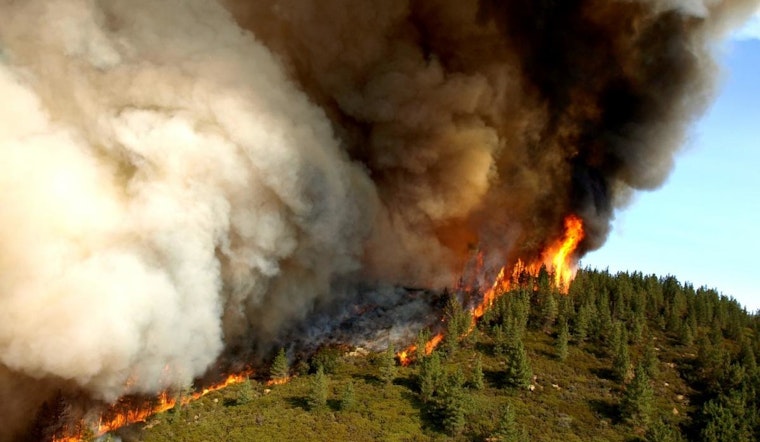
In Olympia this week, lawmakers pushed forward a plan to peel back a Washington tax break for large mortgage lenders and funnel the money into the state's thinned-out wildfire response account. The House signed off on the measure and shipped it to the Senate, where it now waits for a committee hearing. State officials say last year's cut to wildfire funding has already forced tough choices at the Department of Natural Resources.
House Bill 2089, the Wildfire Alleviation Support Act, would redraw the state's "community bank" deduction so that very large mortgage originators no longer qualify and would send the resulting revenue into the wildfire response, forest restoration and community resilience account, according to the Washington State Legislature. Sponsors describe the change as a way to set up a modest, dedicated revenue stream for prevention and readiness rather than scrambling for money after the fact.
How much money that actually means is up for debate. House Democrats estimate roughly $40 million a year would be steered into wildfire mitigation, while independent reporting has pegged the likely yield closer to $20 million. Pat Sullivan, director of governmental and external affairs for the Department of Natural Resources, warned, "It will have an impact on the upcoming fire season, and even more so in 2027 if we don't get additional funding." That reporting was published by Washington State Standard.
What the bill would change
The measure would bring Washington's statutory definition of a "community bank" in line with the federal working definition, roughly institutions with $10 billion or fewer in assets, and would treat interest on first mortgages from larger lenders as subject to the state's business-and-occupation tax. It also sets up a process requiring the department to estimate any increased general fund revenue by Oct. 15 each year and directs the state treasurer to move that amount into the wildfire response account beginning Nov. 1, 2027. The measure is scheduled to take effect July 1, 2026, according to the Washington State Legislature.
Department of Natural Resources: Cuts ahead
The Department of Natural Resources has told lawmakers that the earlier budget reduction already stretched core programs and warned that without restored dollars it could lose up to 21 full-time staff positions, nearly 50 firefighter slots in peak season, slash roughly 90% of first-responder grants and end a contract with Pano AI, a network of smoke-detecting cameras. Those figures and the agency's testimony were reported by Washington State Standard. Community bankers told reporters they do not see a clear connection between taxing first-mortgage interest and the wildfire beneficiaries.
Who's sponsoring and why
Rep. Shaun Scott of Seattle is the bill's primary sponsor. Backers argue the 2012 deduction drifted from its original intent and that closing the carve-out will bring back promised wildfire preparedness funding. Rep. Larry Springer and other House Democrats are listed as co-sponsors and cast the legislation as a fix to a tax preference that largely benefited "placeless" lenders, according to House Democrats. Supporters say the change redirects revenue to public safety and forest restoration priorities instead of leaving the break in place for large mortgage players.
Local stakes
Rural and eastern Washington communities lean on DNR grants to buy fire engines, backhoes and equipment for fuels-reduction projects, and officials warn a funding gap would slow or cancel planned mitigation. That local angle was highlighted in reporting by Wenatchee World, which noted the agency uses the money to support high-risk communities.
What's next
With the bill now parked in the Senate, lawmakers there will weigh committee testimony, revenue estimates and competing budget priorities in the coming weeks. DNR and the bill's supporters say they plan to press for restored funding during budget talks, while opponents argue the shift risks new costs for homeowners and lenders without a direct line to the wildfire beneficiaries.




