

























































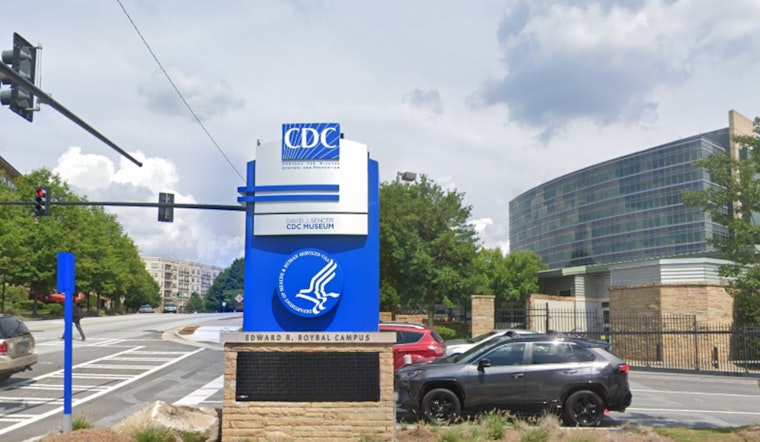
Outside the Centers for Disease Control and Prevention’s main campus on Clifton Road in Atlanta, dozens of former employees and supporters gathered on Tuesday, Feb. 10, 2026, to mark a tense anniversary. One year has passed since the chaotic termination notices that began hitting inboxes in mid February 2025. Many in the crowd, including veteran scientists and public health staff, showed up with signs, shared ride lists and a clear message that the day was about moving forward through legal fights, community organizing and civic engagement. For many, the anniversary served as a way to turn trauma into organizing energy rather than a simple replay of grievances.
Former Staff Cast the Anniversary as a Launchpad, Not a Wake
Former CDC employees and their allies spent more time trading plans than swapping war stories. Attendees talked about organizing, volunteering and pursuing other public service roles. “We want to build a system that’s better and works for everybody,” said Aryn Backus, a former CDC specialist who helped form an alumni coalition, as reported by The Atlanta Journal‑Constitution. The gathering drew former senior leaders and advocates who say they are channeling the disruption into new efforts such as the National Public Health Coalition.
How the Firings Unfolded
The personnel shakeup began in mid February 2025, when agency guidance and Office of Personnel Management memos translated into termination notices for scores of probationary staff. Many employees had braced for messages on Valentine’s Day, only to see notices and system lockouts roll out over the following days instead. Federal judges and labor boards moved quickly, with one judge sharply criticizing OPM’s role and ordering directives rescinded while litigation proceeds, according to Government Executive. The back and forth of recalls, rehires and legal orders has left personnel rolls uncertain and morale badly dented.
Court Records Show the Dispute Is Far From Over
Union complaints and court filings outline claims that the administration’s directives exceeded statutory authority and did not follow civil service rules. The public docket now holds detailed orders and legal briefs. The filings and the court’s temporary restraining order are available in the federal docket, as posted on Justia. Lawyers on both sides say the litigation will shape whether more terminated staff are restored or whether agencies will need to rewrite how they handle probationary and recently promoted workers.
Reinstatements and Program Fallout
Some employees did get invited back. Early reports showed about 180 probationary staff receiving emails to return in March 2025, and later rounds of reinstatements climbed into the hundreds, according to reporting by STAT. The AP and other outlets have reported that dozens of layoff notices were later rescinded while other cuts stood, and The Washington Post documented how entire programs, from lead poisoning labs to some prevention teams, were pared back or shuttered amid the turmoil. The Department of Health and Human Services has said it is streamlining operations and that critical functions remain intact, while advocates warn that gaps in surveillance and grant oversight could linger.
From Pink Slips to Protest Signs
Out of the upheaval, grassroots groups have taken shape in Atlanta and beyond. The coalition Fired But Fighting posts regular events, rallies and volunteer opportunities and says it is working to connect displaced public health staff with community partners and service roles, according to the group’s website. Organizers described Tuesday’s gathering as one piece of a longer push to translate technical public health expertise into local and state efforts while the legal battles grind on.
For Atlanta, the anniversary underscored the CDC campus’s status as a major hub for national health work and the fragility of that infrastructure when personnel systems are abruptly upended. The court fights, partial rehiring and program changes mean the full effects are still emerging, and experts warn that restoring institutional capacity will take time even where individual staff members are brought back, as reported by The Washington Post. One year on, former employees said their focus is on rebuilding, in courtrooms, in labs and in communities.





