

























































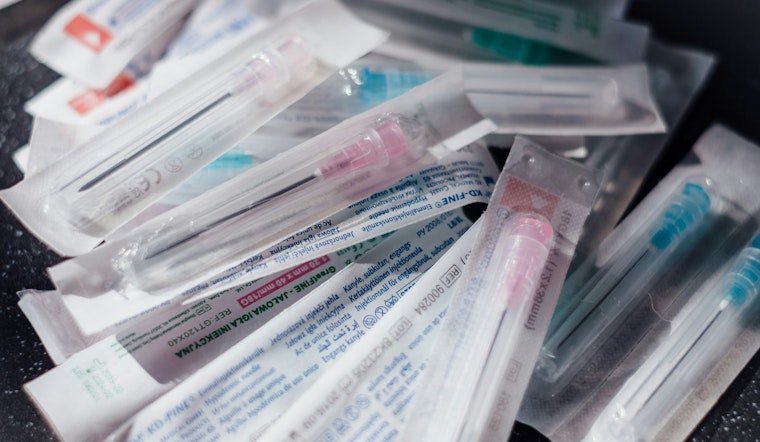
Oregon lawmakers opened their 2026 short session with a fight over where needle outreach vans can park. A new bill introduced Monday would ban mobile syringe distribution within 2,000 feet of schools and licensed child-care facilities statewide. Backers say it is about keeping drug paraphernalia away from kids. Harm-reduction advocates warn it could tie the hands of programs that prevent overdoses and infectious diseases. The proposal is already getting attention from neighborhood groups and public health officials.
State Sen. Christine Drazan is among those defending the bill. In an interview, she argued that the state should not “enable addiction” and added, “in the meantime, don't leave that garbage around kids,” according to KATU News. Supporters frequently point to the blocks around Providence Park, where neighbors have complained about public drug use and discarded needles. As KATU has noted, Providence Park and Lincoln High School sit at a distance of roughly 1,000 feet from each other, which would put much of that area off limits under the proposed 2,000-foot buffer.
What SB 1573 Would Change
Senate Bill 1573 would bar syringe service programs from running mobile or temporary distribution sites within 2,000 feet of any public or private school or licensed child-care facility, according to the bill text. It spells out a legal definition of “syringe service program” and creates a private right of action that lets “any person” sue programs they believe are in violation. The measure lays out damages and attorney-fee rules and says a successful plaintiff can collect the greater of $5,000 or actual cleanup costs.
The bill also includes a rebuttable presumption that any needles found inside the new buffer zones came from a program that violated the law. That legal hook could matter in any future lawsuits over cleanup or alleged mismanagement of syringe sites near schools.
Portland Flashpoints And Outreach
Complaints around Providence Park and nearby school routes in Portland helped set the stage for the proposal. Neighbors have repeatedly raised concerns about discarded paraphernalia, public drug use and mobile harm-reduction vans setting up along sidewalks and side streets. Local coverage has described tense exchanges between residents and outreach teams, including the Portland People’s Outreach Project, over pop-up syringe distribution near busy walkways.
Some programs have already moved their operations after pressure from nearby residents and city officials, according to KPTV. The bill filing itself notes that SB 1573 was requested by a Stadiumhood neighborhood group, which has been vocal about conditions in the blocks surrounding the stadium and school zones.
How Public Health Experts Describe Syringe Programs
The Oregon Health Authority describes syringe service programs as a public-health tool. They provide free sterile needles and syringes, collect used ones for safe disposal and connect people to testing and treatment in an effort to cut down on infectious diseases and overdose risk. In OHA’s broader prevention work, these programs sit alongside other strategies aimed at reducing harm rather than simply punishing drug use.
Harm-reduction providers argue that mobile units are key to that strategy. Vans and temporary sites let staff reach people who are far from fixed clinics or unwilling to walk into a brick-and-mortar building. Outreach workers say those setups are where they can hand out naloxone, offer testing and steer people toward treatment services in the places where overdoses and risky drug use are actually happening.
Legal And Practical Implications
SB 1573 does more than draw circles on a map. Public-health lawyers note that the combination of a large 2,000-foot buffer, a private right of action and a presumption that nearby needles came from a noncompliant program could expose outreach groups to costly lawsuits and cleanup claims. The attorney-fee provision for winning plaintiffs adds another incentive for litigation.
Mobile harm-reduction teams would likely need to rethink where they park, how they pick routes and what documentation they keep about where supplies are distributed. Supporters of the bill counter that such accountability is overdue and say programs should face consequences if used syringes wind up near playgrounds or school sidewalks.
Next Steps
Oregon’s short legislative session opened Feb. 2, and SB 1573 has been filed at the Senate desk. It could be scheduled for committee hearings as lawmakers sort through a crowded agenda for the 35-day session, according to OPB. Advocates on both sides are expected to submit testimony and crowd hearings as the measure moves through Salem.
Legislative filings listed on LegiScan show the bill’s procedural steps and will continue to chart its progress. If SB 1573 advances, it would significantly narrow where mobile syringe programs can legally operate near schools and child-care centers across Oregon.





