

























































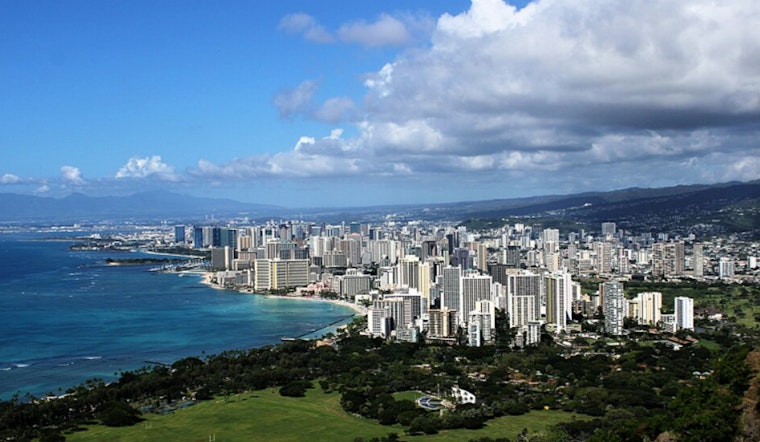
A new statewide analysis shows that despite Hawaiʻi’s image of prosperity, many residents are financially strained. The UHERO report, titled “Beyond the price of paradise,” finds that when adjusted for the state’s cost of living, Hawaiʻi’s economy performs much weaker than it appears, with real per-person GDP growth averaging only 0.6–0.7% since the early 1990s. The study also notes that domestic net migration has been negative in 23 of the past 25 years, showing ongoing economic pressures on residents.
Price Adjustments Flip the Picture
The analysis leans on regional price parities to back out Hawaiʻi’s higher consumer prices and measure what residents’ paychecks actually buy. Data from the Bureau of Economic Analysis already place Hawaiʻi among the most expensive states in the country, meaning headline income and GDP numbers can make life here look richer than it feels.
Once earnings and output are adjusted by local price levels, though, Hawaiʻi’s standing slumps well below many mainland metros. On paper, the islands look prosperous; in real purchasing power, they start to look a lot more like places policymakers usually describe as struggling.
Migration and the Long View
Those price-adjusted findings line up with a story residents know all too well: more people have been heading out than moving in. For most of the last quarter-century, domestic outmigration has outweighed new arrivals.
Recent federal population estimates also place Hawaiʻi among a small group of states that actually lost residents in the most recent year, with the U.S. Census Bureau Vintage 2025 figures highlighting continued outflow and downward revisions to the state’s population. Taken together, the trends point to a simple economic logic: when prices are high and real income growth is sluggish, workers have a powerful reason to seek better purchasing power on the mainland.
Policy Trade-Offs: Why Price Cuts Aren’t Enough
UHERO cautions that lowering the cost of living on its own will not be enough to get Hawaiʻi’s economic engine humming again. As the report puts it, “the lost decade of the 1990s never really ended but rather it has persisted for 35 years,” arguing that policy needs to focus not just on cheaper bills but on stronger productivity and a broader economic base, as per UHERO.
The authors call for boosting the value-added of tourism, backing higher-productivity industries, and tightening monitoring and governance so reforms actually translate into higher real incomes over the long haul. Cutting prices without growing what the economy produces, they suggest, risks leaving the state stuck in neutral.
Local Moves Underway
Even as statewide strategies are debated, some counties are already pulling specific policy levers aimed at housing and affordability. One prominent test case is Maui County’s plan to phase out thousands of short-term rentals in apartment districts, a move local officials say could help open up homes for residents.
Economists, however, point out that even aggressive zoning changes need to be paired with policies that raise wages and output if the state wants a durable shift in living standards. Coverage from Hawaii News Now has underscored how messy it can be to juggle housing needs, a tourism-dependent tax base, and long-run growth ambitions all at once.
For people trying to pay the rent or save for the future, the core issue lands closer to home: can Hawaiʻi keep its residents if it does not deliver the wages and opportunities that make island life affordable in real terms? The UHERO report suggests the answer will hinge on a two-track approach, pairing affordability efforts with a long-term push to raise incomes and productivity.





