

























































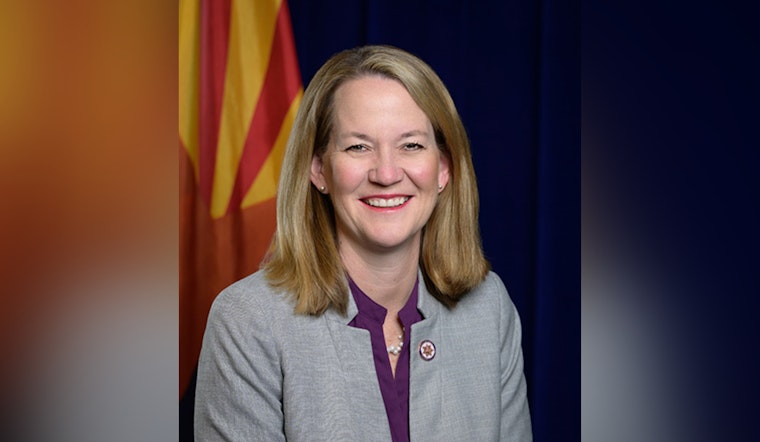
Arizona renters who have sweated through broken air conditioning in triple-digit heat may soon get new backup from the state. Arizona lawmakers, backed by Attorney General Kris Mayes, rolled out a proposal on Thursday that would create statewide indoor temperature standards for rental homes and give tenants stronger options when cooling or heating systems fail.
The measure, Senate Bill 1608, would write maximum and minimum indoor temperatures into state law, shorten the time tenants must wait to cancel a lease when climate control is dangerously out, and pause certain evictions during extreme-heat weeks. If it passes, protections that currently exist in Phoenix and Tucson would extend to renters across Arizona, at a time when advocates and local investigations keep uncovering tenants left without working A/C in brutal summers.
What SB 1608 would do
Under SB 1608, a rental home would only count as “fit and habitable” if indoor air temperatures stay at or below 82 degrees Fahrenheit in summer and at or above 68 degrees during periods of extreme cold. The ambient air would be measured in the middle of the room, three feet above the floor, according to LegiScan.
The bill would also let tenants give just two days’ written notice to terminate a rental agreement if a landlord fails to provide functioning air conditioning or heating that materially affects health and safety, cutting down the current five-day wait. On top of that, landlords could not evict tenants during any week when outdoor temperatures hit 90 degrees Fahrenheit or higher on two or more days. Sponsors say these changes would replace a patchwork of city rules with a single basic standard for habitability across the state.
Officials' pitch
Mayes framed the issue as a basic matter of survival in one of the hottest states in the country. In a press release from the Arizona Attorney General's Office, she said, “No Arizonan, no matter where they live, should have to suffer in dangerous heat or cold because their landlord fails to maintain safe living conditions.”
State Sen. Lauren Kuby, a sponsor of SB 1608, called Arizona’s climate a driving force behind the bill, describing it as “a matter of life and death” for seniors, children and low-income families who are most vulnerable when air conditioning or heat goes out.
Reporting and enforcement that pushed the bill
Recent investigations and state enforcement actions helped set the table for SB 1608. As reported by Arizona's Family, a July 2024 investigation found tenants at a central Phoenix complex owned by Buenas Communities said they had been without working A/C for well over a month. The Attorney General later sued that owner.
Tenant advocates say stories like that are not confined to major metros, and argue that a clear, statewide temperature standard would give renters in smaller cities and rural communities more straightforward legal tools when landlords do not fix dangerous HVAC failures.
How this compares outside Arizona
Arizona would not be the first place to put hard numbers on what “habitable” feels like indoors. Other jurisdictions have moved in the same direction. Los Angeles County, for example, set an 82-degree ceiling for habitable rooms in rental units and adopted an enforcement schedule that phases in compliance, according to the county’s Cool & Healthy Homes program.
Policy advocates say the spread of local temperature ordinances around the country is exactly why some lawmakers prefer a single statewide baseline, so renters in smaller or unincorporated communities do not get left out while big cities move ahead.
Legal changes and tenants' rights
If enacted, SB 1608 would amend Arizona’s Residential Landlord and Tenant Act and create a new code section that explicitly bars evictions during defined high-heat weeks and spells out how indoor temperatures must be measured, according to LegiScan.
The bill would also prohibit landlords from locking thermostats above the 82-degree cap or below the 68-degree floor during the covered periods, and it would keep tenants’ existing rights to seek damages or court orders if landlords do not comply. At the same time, landlord groups in places that have already adopted similar rules have warned that meeting the standards could mean costly retrofits for older buildings, a concern the Apartment Association of Greater Los Angeles has raised in its own jurisdiction.
What's next
SB 1608 is newly introduced and currently listed in that status on tracking sites, including BillTrack50, which includes the sponsor list and full text. The bill now heads into the Legislature’s committee process, where hearings and potential amendments are expected before any floor votes.
Mayes’ office and the bill’s sponsors say they are pushing for a fast timeline this session, arguing that Arizona should not go through another extreme-heat season with what they describe as a dangerous gap in tenant protections while the details on technical fixes and compliance schedules get worked out.




