

























































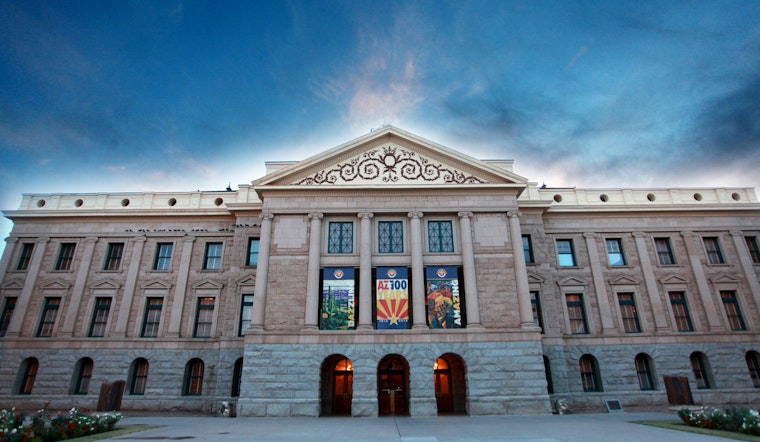
Dozens of Arizona workers and safety advocates crowded into a state Industrial Commission meeting Wednesday, demanding that officials turn voluntary heat-safety advice into rules with real teeth. Airport cleaning crews, construction workers, and union organizers filled the room, saying that “guidance” will not keep people from collapsing when the summer blast furnace kicks in. Several coworkers have dehydrated, passed out, or missed shifts because of extreme heat.
During the hearing, speakers urged the Arizona Division of Occupational Safety and Health’s advisory committee to toughen its approach. The current draft guidance, which was written by a Workplace Heat Safety Task Force at Gov. Katie Hobbs’ request, struck many in the crowd as too soft. As reported by ABC15, plane cleaner George Williams told officials, “I’ve seen people dehydrated, literally pass out, all of that, can’t come to work.” Speaker after speaker pushed the state to move from suggestions to enforceable standards with penalties attached.
What the task force recommends
The task force’s playbook focuses on basics that many workers say they still do not reliably get: cool drinking water, shade, and regular rest breaks, along with acclimatization plans and heat-safety training for employers and supervisors. According to a news release from the Office of the Arizona Governor, the Workplace Heat Safety Task Force delivered its final recommendations to ADOSH on Dec. 31 as part of Gov. Hobbs’ executive order.
Online, there has already been detailed coverage of Arizona’s new workplace heat safety guidelines from January, laying out how the recommendations are supposed to shield workers when temperatures soar. That reporting highlighted the same core elements now in front of state regulators: water, shade, rest and training.
Labor and advocates push for binding protections
Worker advocates say that as long as the heat plan is just “guidance,” many frontline workers will remain exposed. “The evidence is clear that enforceable heat standards save lives,” the Arizona Heat Standards Coalition told National COSH, urging the state to adopt a formal heat-injury prevention standard with anti-retaliation protections for employees who speak up. Coalition members argued that practical measures like paid rest breaks, guaranteed shade, access to hydration, acclimatization protocols and buddy systems only truly work when employers face consequences for ignoring them.
What’s next: hearings and the rulemaking path
The ADOSH advisory committee spent more than an hour taking public comment on Wednesday and is expected to conduct a formal review and vote on the guidance at a March 3 meeting, according to ABC15. After that, ADOSH and the Industrial Commission will decide whether to convert the recommendations into binding rules.
KJZZ has noted that the advisory committee’s review is just the first step before the Industrial Commission weighs any enforceable standard later in the spring. If the commission chooses to move ahead with rulemaking, the process will include public notice, potential revisions and a formal vote that could ultimately create penalties for employers that fail to comply.
Legislature and other pressure points
State lawmakers are also jumping in, with several bills this session aimed at creating mandatory heat protections and turning up the pressure on regulators. One proposal includes specific requirements for water, shade and rest breaks on hot days; the bill text is posted on LegiScan. Advocates say that a coordinated push from unions, legislators and state agencies could finally deliver enforceable protections before the next desert summer hits full force.
Legal notes
For now, the task force recommendations are advisory only and do not themselves create legal obligations for employers. Gov. Hobbs’ executive order directed ADOSH to convene the task force and seek recommendations, but it did not establish enforceable rights or standards on its own. Any binding rules would have to be adopted by the Industrial Commission through the formal rulemaking process described in the governor’s materials, including notice, comment and a final vote.





