

























































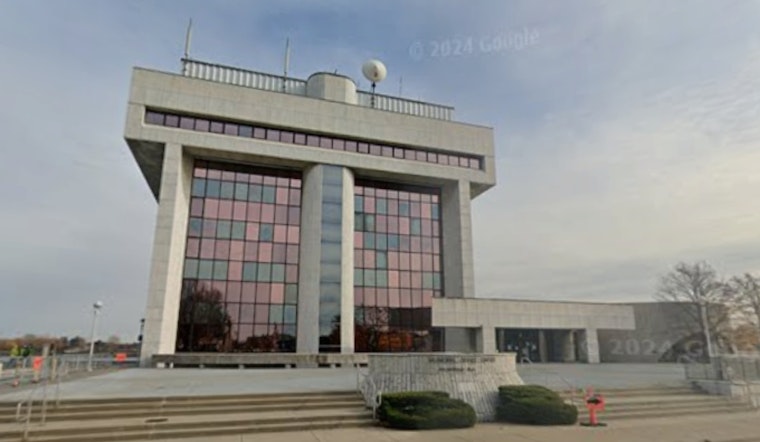
Port Huron has quietly rewritten the rules on who gets the mic at City Council meetings, and when. Under a change approved this winter, city residents and local business owners now get first crack at public comment, while nonresidents are pushed to a later slot that comes only after the council finishes voting. Supporters say it is about respecting the time of people who live in and pay taxes to the city. Critics say it sidelines outsiders, chills speech and has quickly turned into City Hall's latest hot-button fight.
According to The Detroit News, the council narrowly approved the amendment in December on a 4-3 vote after earlier procedural attempts fell short. City Manager James Freed proposed splitting the public comment period so residents speak early and nonresidents are pushed to the end, arguing that outsiders have taken over the public forum with lengthy, often performative appearances that can feature props, puppets or costumes. Opponents countered that the shift means some people will not be able to comment on agenda items until after the council votes on them, which they say undercuts any real chance to influence decisions.
Critics at the meetings have blasted the rule change as discriminatory and disenfranchising, describing it as a two-tier system of civic access that could dampen creative or activist speech. The fight played out over multiple hearings, with residents and visitors trading sharp warnings and legal worries, according to reporting by CitizenPortal.
Who Is "Trash the Clown"?
One of the most recognizable nonresident regulars is a performer known as "Trash the Clown," who shows up in full jester getup while organizing community cleanups and art projects, as profiled by WXYZ. The presence of costumed and sometimes theatrical speakers helped fuel support for the rule change. The Detroit News reported that three nonresidents spoke at the Jan. 12 meeting and one spoke at the Jan. 26 meeting, examples city officials pointed to in making their case.
Legal Questions
The new setup drops the council into familiar First Amendment territory. Governments can impose reasonable time, place and manner rules to keep public forums orderly, but those rules have to be content neutral, narrowly tailored and leave people with other ways to get their message out, as summarized in Supreme Court precedent like Ward v. Rock Against Racism. When officials start sorting speakers by who they are, such as by residency, courts tend to look more closely than they would at a simple scheduling tweak. City attorneys describe the amendment as a procedural adjustment. Critics argue it operates as an exclusion and warn it could invite a legal challenge.
What Comes Next
The rule is the product of a months-long back-and-forth. An earlier version deadlocked 3-3 in November and was rejected at a Nov. 14 meeting, the station WGRT reported, before the council revived and ultimately approved it. With the seven-member body still split and public turnout holding strong, the new order is poised to shape how people show up to future meetings and could spark further legal or community pushback. For now, Port Huron's fight over who gets to speak when has become a small-town snapshot of a much bigger argument over access to America's town halls.




