

























































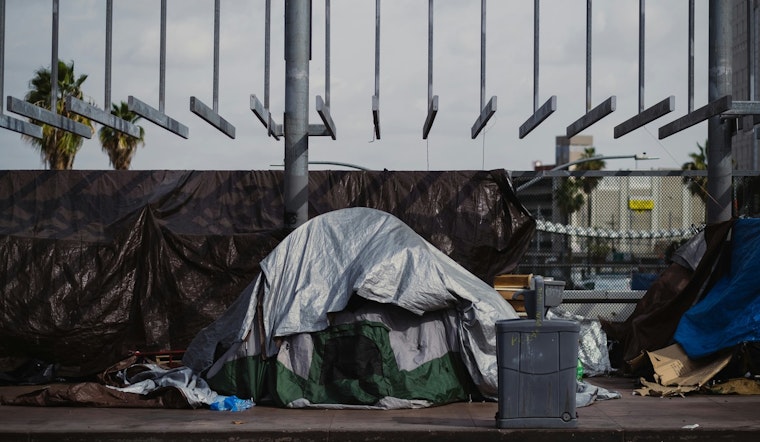
Portland’s regional leaders just got a sobering receipt for their homelessness response: about $724 million in fiscal 2024. It is a massive figure, yet it still does not settle the barstool argument over which American city spends the most on homelessness. The honest answer is that it depends on what gets counted, who is paying, and whether you are talking about a city’s borders or an entire metro area.
How Much Portland Spent
Researchers at ECOnorthwest pulled together hundreds of separate funding streams and concluded that the Portland tri‑county region, meaning Multnomah, Washington and Clackamas counties, spent roughly $724 million on direct homeless services in fiscal year 2024. That total covers things like prevention, shelter and supportive housing. The report is among the most detailed regional tallies to date and highlights how local, regional, state, federal and philanthropic dollars all swirl together in ways that make apples‑to‑apples comparisons nearly impossible.
What That Means Per Person
Spread across the metro’s population, the price tag works out to about $300 per resident for 2024. It is a striking number, but that back‑of‑the‑envelope math glosses over what those dollars actually pay for and where they land. As OregonLive noted, a large share of the money comes from a voter‑approved regional homelessness tax, and local officials say the region has already generated about $1.4 billion since 2020 to fund services.
New York and the Numbers Game
Zoom out to the national level and New York City routinely shows up at the top of informal lists of big spenders on homelessness, with annual costs that run into the billions. City financial records, however, show that the total moves around depending on whether you include asylum‑related expenses and spending spread across multiple agencies. That makes a single tidy number, and any simple ranking built on it, more than a little misleading, according to analysis from the NYC Comptroller.
Why There Is No Clean Ranking
Experts caution that trying to crown a single "top spender" is a fool’s errand. Cities and regions categorize their homeless spending differently, bundling or splitting out prevention, emergency shelter, mental health supports and short‑term migrant housing in ways that do not match one another. Budgets might track only a city government, while the people actually receiving services live across a much larger metro area.
Even the basic headcount is slippery. The 2025 Portland tri‑county Point‑in‑Time Count logged 12,034 people experiencing homelessness, a 61 percent jump from 2023. Yet researchers and local officials stress that the Point‑in‑Time snapshot almost certainly misses people and needs to be paired with administrative data to paint a fuller picture, according to PSU’s Homelessness Research & Action Collaborative.
Policy organizations also argue that states and localities should lock in more reliable revenue streams and create clearer outcome measures so taxpayers can see whether all this spending is translating into housing placements and lasting exits from homelessness, a case made by the Center on Budget and Policy Priorities.
What Officials Are Saying and What Comes Next
The ECOnorthwest report urges governments to adopt standardized reporting and consistent outcome tracking so leaders can compare which programs deliver the most impact for the money, both within Portland and across other regions. Business voices are already signaling that the issue is less about volume of cash and more about how it is deployed.
Andrew Hoan, president of the Portland Metro Chamber, told OregonLive that “there is no lack of resources” in the region. That line tees up the next political fight over Metro’s homelessness tax and other revenue sources, and whether they get renewed as‑is, rewritten or tied to sharper, more public benchmarks for results.



