

























































Portland researchers say the blockbuster GLP-1 weight-loss drugs that have taken over medicine cabinets might be doing something unexpected for the eyes: people on these meds were far less likely to develop the dry form of age-related macular degeneration (AMD) over time. That eyebrow-raising finding, however, sits next to other research that points to different eye risks in people with diabetes.
What the study looked at and found
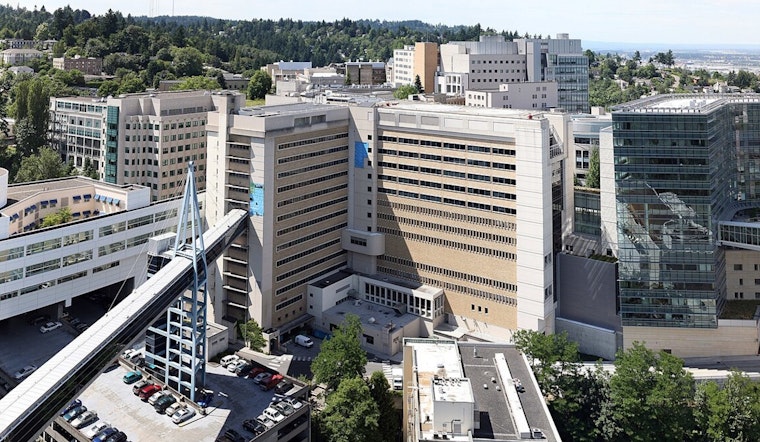
The Oregon Health & Science University team ran a retrospective analysis using deidentified electronic health records from the TriNetX network. They followed 91,408 adults aged 55 and older who had overweight or obesity but no history of diabetes, then used propensity matching to compare 45,704 GLP-1 receptor agonist users with an equal number of patients taking other weight-loss drugs.
Compared with those on other anti-obesity medicines, GLP-1 users had a sharply lower risk of developing nonexudative (dry) AMD. The risk ratios came in around 0.16 at five years, 0.13 at seven years, and 0.09 at ten years. The drugs did not appear to slow progression from dry to exudative (wet) AMD. These findings are detailed in a study in JAMA Ophthalmology. A separate analysis in older patients with diabetes, also published in JAMA Ophthalmology, found that GLP-1 exposure was tied to roughly a two-fold higher risk of neovascular (wet) AMD.
Why researchers urge caution
Scientists behind the work, along with outside experts, are quick to stress that an association is not the same thing as proof. The study cannot show that GLP-1 drugs directly cause or prevent AMD. Benjamin Young, a corresponding author on the paper, told the New York Post that the results should not be read as cause and effect and should definitely not be treated as a green light to prescribe GLP-1 drugs solely to ward off eye disease.
Researchers note there is a biologically plausible story here: in lab studies, GLP-1 receptor activation seems to dial down retinal inflammation and oxidative stress. Those anti-inflammatory pathways, however, are still theoretical in humans and under active investigation. For a recent overview of GLP-1 signaling and retinal anti-inflammatory effects, the authors point to a review in Int. J. Mol. Sci.
What this means for patients
Age-related macular degeneration is common. Modeled estimates from the Centers for Disease Control and Prevention suggest about 19.8 million Americans were living with some form of AMD in 2019. According to CDC VEHSS data, prevalence sits around 2% in people aged 40 to 44, then climbs steeply in the oldest age groups.
Given the mixed signals in the observational research, eye specialists say patients should not start or stop GLP-1 therapy based on this study alone. Instead, people who are taking or thinking about taking GLP-1 drugs, particularly those with diabetes or other eye-disease risk factors, are urged to stay on top of routine eye exams and talk through risks and benefits with both their prescribing clinician and their ophthalmologist.
Bottom line: the OHSU analysis adds an intriguing hint that GLP-1 drugs might help protect against dry AMD in nondiabetic patients. Conflicting findings in diabetic groups and the study's observational design mean randomized trials and deeper investigation are still needed before anyone changes how these medications are used in everyday practice.





