

























































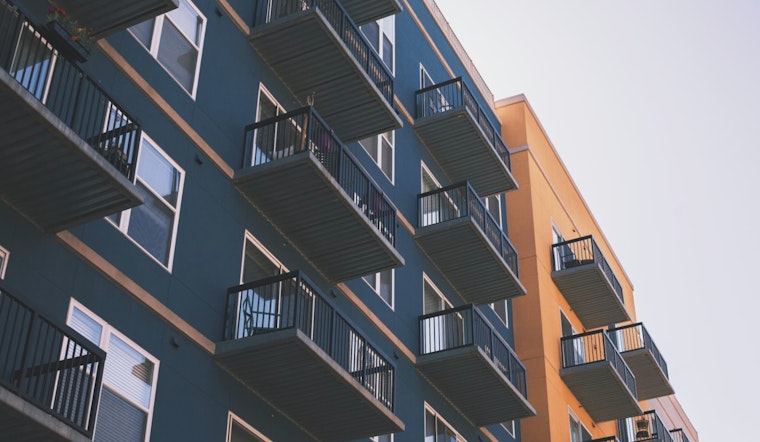
Raleigh City Council is scheduled to review a proposal Tuesday aimed at funding more “missing middle” housing in the city’s core. City staff say the plan could both build and preserve additional homes downtown by using a mixed-income development model that combines market-rate apartments with income-restricted units and leverages public financing tools to reduce construction costs. Officials describe it as a way to accelerate projects while making the most of a limited pool of federal housing funds.
To develop the proposal, city staff consulted the Center for Public Enterprise, and the council is expected to review several options for maintaining unit affordability. The tools include a publicly backed revolving loan fund, lower-cost financing through HUD and Treasury programs, tax incentives tied to public ownership, and a target mix of about 70 percent market-rate units and 30 percent affordable units. These details are outlined in a staff briefing scheduled for Tuesday, according to ABC11.
How the mixed-income model would work
Under the proposed plan, a publicly capitalized revolving loan would replace the expensive private equity typically used during construction. This approach allows deeper affordability to be incorporated into projects from the outset, the Center for Public Enterprise told Congress. Once the buildings are leased, they would move to lower-cost permanent financing, the short-term loan would be repaid, and the revolving fund could be reused to launch the next project.
Examples and trade-offs from other cities
Analyses of this mixed-income public development approach point to examples in Montgomery County, Md., as well as programs in Chattanooga and other cities, showing how revolving funds, public ownership, and targeted tax policies can stretch subsidies and create portfolios of mixed-income housing. These cases also highlight the trade-offs: public ownership can ensure long-term affordability, but it requires strong governance structures and substantial upfront public investment.
Moore Square: the local test
The timing is deliberate, as Raleigh has already begun piloting similar strategies downtown. In October, the council approved a key financing step authorizing up to $31.7 million in bonds for the Moore Square Apartments, a project expected to add roughly 160 affordable units to the area. That vote followed earlier council actions on land and gap funding aimed at securing affordable housing within the broader Moore Square redevelopment.
What to watch Tuesday
The council’s work session is scheduled for 4 p.m. Tuesday at the Raleigh Municipal Building, with a public comment period at 7 p.m. The meeting will be livestreamed, and the agenda and presentation materials are available on the city’s website.
Supporters of the mixed-income public development model say that revolving loans and public ownership can bring affordable units to market more quickly. Critics argue that without deeper area median income targets or permanent affordability covenants, mixed-income projects may only make a limited impact on affordability. When council members review the proposal Tuesday, questions are likely to focus on long-term project control, ownership structure, and how the revolving fund would be capitalized before approval.




