

























































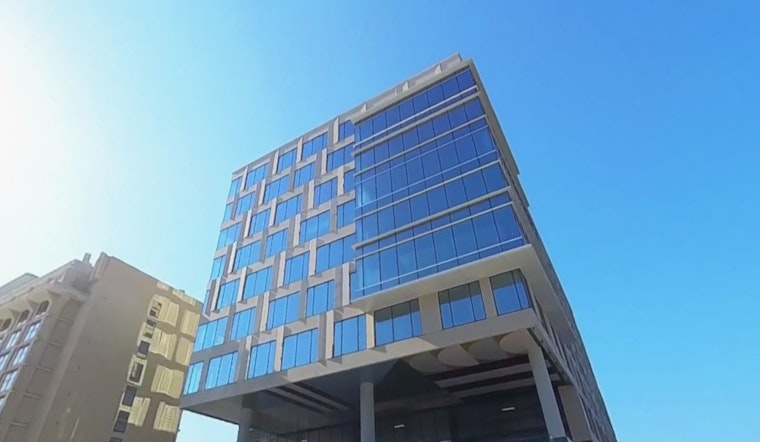
Ralliant Corporation, the Raleigh-headquartered precision-technology player that only recently planted its global flag in Wake County, is suddenly staring down a wave of investor-side investigations. The scrutiny erupted after the company disclosed on Feb. 4, 2026 that it booked a $1.4 billion non-cash goodwill impairment tied to its EA Elektro-Automatik business, a bombshell that knocked the stock roughly 32% lower the next trading day. The write-down and the company’s fourth-quarter numbers have prompted several national plaintiffs’ firms to open probes and court shareholders who took a financial hit.
In a Feb. 16, 2026 press release via Business Wire, The Schall Law Firm said it is investigating whether Ralliant and certain senior officers may have violated federal securities laws and invited shareholders who suffered losses to take part in the probe. The notice provided contact information for the firm and urged affected investors to reach out for a free consultation.
Inside Ralliant's EA Goodwill Hit
On Feb. 4, 2026, Ralliant reported fourth-quarter and full-year 2025 results and revealed that the quarter included a $1.4 billion non-cash goodwill impairment in its Test & Measurement segment, driven by revised expectations for the EA Elektro-Automatik business, according to Ralliant's earnings release. Management said the impairment reflected slower-than-anticipated progress at EA alongside a recent reduction in industry forecasts for future electric-vehicle adoption.
Company filings show that Ralliant acquired EA Elektro-Automatik on Jan. 3, 2024 for roughly $1.72 billion and initially recorded about $1.18 billion of goodwill associated with that business, as detailed in the company’s SEC filings and registration documents. The impairment emerged from the company’s annual goodwill testing and was excluded from Ralliant’s adjusted, non-GAAP results in its earnings release, consistent with the filing.
Market Whiplash And Analyst Reaction
Wall Street did not take long to react. The stock closed down about 31.8% on Feb. 5, 2026, as trading volume surged and analysts dug into what exactly drove the surprise write-down, MarketBeat reported. On the earnings call, management told analysts that weaker-than-expected progress at EA and softer EV demand forecasts had forced a reset of long-term expectations for the unit.
The legal bar quickly followed the market. Within days of the disclosure, a string of plaintiffs’ firms began issuing investor alerts and soliciting clients. Firms including Holzer & Holzer and Block & Leviton announced investigations into whether Ralliant or its officers made misleading statements or left out material information, while other firms such as Kaplan Fox, Johnson Fistel and Kirby McInerney circulated similar notices in recent days, according to their press statements.
What The Investigations Could Mean
Investor-side investigations typically start quietly, with outreach to shareholders, document collection and a lot of behind-the-scenes number crunching. If attorneys come to believe that misstatements or omissions harmed investors, those probes can evolve into class-action lawsuits. For now, the notices around Ralliant remain in the investigatory phase. No class-action complaint tied to the Feb. 4 disclosure has been filed in court, and the matters are still under review at the firms that issued the alerts.
There is a clear local angle here. Ralliant moved its global headquarters to Wake County last year as it spun out and ramped up its standalone public company operations, which means any extended legal, financial or reputational fallout will be felt in the Raleigh area and among the company’s regional workforce. See earlier local coverage for background on the headquarters move.
Shareholders who believe they have suffered investment losses are being urged by these firms to contact the attorneys listed in the alerts, with the Schall release and other notices providing phone numbers and email details for investors interested in joining the investigations. As of now, Ralliant’s Feb. 4 earnings release remains the company’s most recent public statement addressing the impairment and its fourth-quarter performance.





