

























































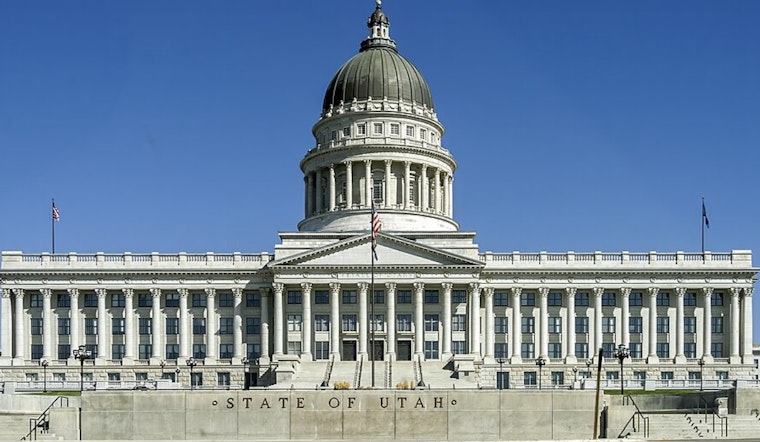
After more than 90 minutes of sometimes heated testimony, Utah lawmakers took a big step toward significantly hiking taxes on cigarettes and other nicotine products, setting up a high-stakes fight over public health, small businesses, and where Utahns buy their smokes.
On Friday, the Utah House Revenue and Taxation Committee voted 9-2 to advance H.B. 337 to the full House. The bill would bump the state cigarette tax by roughly $2 a pack and overhaul how the state taxes several other nicotine products, shifting many of them from a weight-based system to a percentage of the manufacturer's sales price.
Supporters from public health groups and cancer advocates lined up at the hearing, while representatives from retailers and tobacco companies warned the proposal would hammer small shops and simply send customers across state lines or online instead, according to KSLTV. Sponsor Rep. Tyler Clancy cast the measure as a way to keep kids from getting hooked on nicotine, but opponents like Reps. Jill Koford and Mark Strong pushed back hard.
What H.B. 337 Would Change
H.B. 337 would raise the cigarette tax to 18.5 cents per cigarette, which works out to an increase of roughly $2 per pack. It would also scrap weight-based taxes for moist snuff and many alternative nicotine products and replace them with a tax tied directly to the manufacturer's sales price.
Under the proposal, electronic cigarette substances would be taxed at 56% of the manufacturer's sales price, while many other alternative nicotine products would be taxed at 86%. The bill would also repeal a reduced tax rate for modified-risk tobacco products. All of those details are laid out in the official language posted by the Utah Legislature.
How Much Money It Could Bring In
The Legislature's fiscal analysts estimate that, once fully in effect, the bill would generate tens of millions of dollars a year for state coffers. The analysis projects roughly $45.2 million in new revenue to the General Fund, and about $22 million to the state's electronic cigarette proceeds account in the first full fiscal year after implementation. Those estimates come from the fiscal note prepared by the Legislative Fiscal Analyst.
Why Supporters Say It Matters
Public health advocates told lawmakers that higher prices are one of the blunt but proven tools to curb youth use. Data from the Utah Department of Health and Human Services shows youth vaping more than doubled between 2013 and 2019, with about 12.4% of students reporting vaping in 2019 and roughly 7.5% reporting use in 2023.
Backers argued that tax hikes like these can help sustain long-term declines in smoking and that the extra revenue could bolster prevention and cessation programs statewide. They pointed to state data compiled by the Utah Department of Health and Human Services as they pressed lawmakers to act before another generation gets hooked.
Opposition From Industry And Retailers
Retailers and tobacco-industry representatives countered that the bill puts the squeeze on small businesses and could backfire on public health goals. They argued H.B. 337 would drive up the price of smoke-free alternatives, effectively wiping out tax incentives that steer people toward what they describe as lower-risk products.
Groups including the Utah Retail Merchants Association, a Philip Morris representative, and the Utah Taxpayers Association warned that steeper taxes would send some customers hunting for cheaper options across state borders or online. They also flagged potential household budget hits, pointing to an estimate that the average smoker could pay roughly $793 more a year if the plan takes effect, according to KSLTV.
Next Steps
With the committee signing off on a 9-2 vote, H.B. 337 now heads to the full Utah House, where it could be amended, stalled, or fast-tracked toward passage. If lawmakers approve the bill and it is signed into law without major changes, the new tax structure would take effect on July 1, 2026, according to the version posted by the Utah Legislature.
Between now and then, expect plenty of lobbying, backroom number-crunching, and a whole lot of debate over just how expensive lighting up in Utah should be.





