

























































San Diego is staring down a jaw‑dropping $7.8 billion infrastructure funding gap that threatens to slow or stall basic fixes in neighborhoods across the city, from crumbling storm drains to rough streets, dim streetlights and worn‑out beach lifeguard towers. The shortfall lands at a time when construction costs keep climbing and years of deferred maintenance are coming due, forcing City Hall to decide which projects get attention first and which ones wait. City leaders are set to kick off public debate this week as the latest capital plan heads into committee review.
What The New Tally Shows
According to a report by The San Diego Union-Tribune, the city’s five‑year plan for fiscal 2027 through 2031 identifies about $12.82 billion in needed capital projects but only a little over $5 billion in expected funding. That leaves the roughly $7.8 billion gap, which the paper notes is nearly 20 percent higher than last year’s estimate. The report also flags almost $6 billion more in projects that fall beyond fiscal 2031, a second wave of needs waiting in the wings. And the tally does not yet factor in some climate‑driven expenses, such as new seawalls, that officials already expect will be required down the line.
Stormwater Is The Big Driver
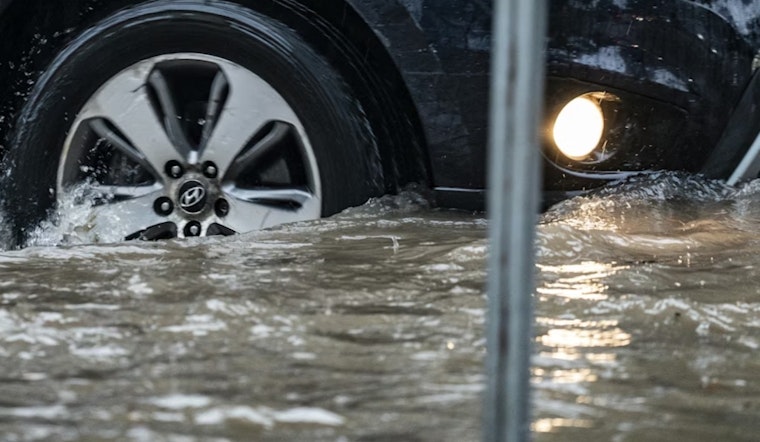
Stormwater projects make up the largest slice of the shortfall, a familiar headache for the city. Much of San Diego’s underground system is aging, and state water‑quality rules have grown stricter over time. Local analyses have repeatedly highlighted storm drains and drainage upgrades as the central, and most expensive, piece of the city’s capital puzzle. That vulnerability helps explain why stormwater dominates the projected five‑year needs list. KPBS has been tracking those pressures, along with debates over potential new fees and possible ballot measures.
The Math, Line By Line
The Union-Tribune breakdown puts stormwater needs at roughly $5.1 billion. Street paving alone is listed at about $970 million in work, with only about $292 million in projected funding, leaving an estimated $678 million gap for roads. Sidewalk repairs, streetlights, lifeguard stations and public safety buildings also each come with multimillion‑dollar shortfalls. On top of that, the report highlights nearly $900 million in firefighting facility needs that fall outside the five‑year window. Analysts warn that leaving out seawalls and other sea‑level‑rise defenses likely means the city is still understating the ultimate price tag. The San Diego Union-Tribune reviewed the document and pulled the department‑by‑department totals.
What Happens This Week
The City Council’s Active Transportation and Infrastructure Committee, which meets on Thursdays, is scheduled to take up the capital outlook in an initial discussion this week. That gives councilmembers an early chance to quiz staff, test assumptions and signal their priorities. The City of San Diego posts the committee’s regular agenda and calendar, and committee chairs typically use these sessions to sort which recommendations move forward. Public comment and councilmember wish lists will help determine which projects rise to the top for funding and which might be packaged for future ballot proposals.
Who Will Double‑Check The Numbers
The Office of the Independent Budget Analyst has a long track record of scrutinizing the city’s five‑year capital outlooks and is expected to produce a formal analysis before the full council takes action. That review typically walks through assumptions about grants, low‑cost loans and carryover dollars from previous budgets. Past work shows how analysts test project cost estimates and funding plans, and the city leans on those findings when it comes time for budget votes and decisions on when, or whether, to go to the ballot. IBA reports lay out how those independent checks usually unfold.
Ways Leaders Might Close The Gap
City officials and outside analysts have a limited toolbox. They can chase more state and federal grants and low‑interest loans, look to public‑private partnerships to tap private capital, or ask voters for new revenue through options like a sales‑tax increase, a general obligation bond or a targeted stormwater fee. Past reporting has pointed to both a stormwater‑specific charge and broader tax measures as the most realistic, if politically risky, paths. Regional planning agencies also talk about stitching together multi‑jurisdictional grants and transportation revenues to stretch local dollars. SANDAG coverage shows how regional funds and outside grants can be lined up alongside local measures.
For residents, the effects will not be abstract. Slower street repaving cycles, longer waits for sidewalk fixes and delayed upgrades to parks and lifeguard facilities are all on the table. The coming committee hearings, combined with the IBA review, will help determine whether San Diego leans on the ballot box, federal and state aid, project reshuffling, or some mix of all three to tackle the city’s growing infrastructure backlog.



