

























































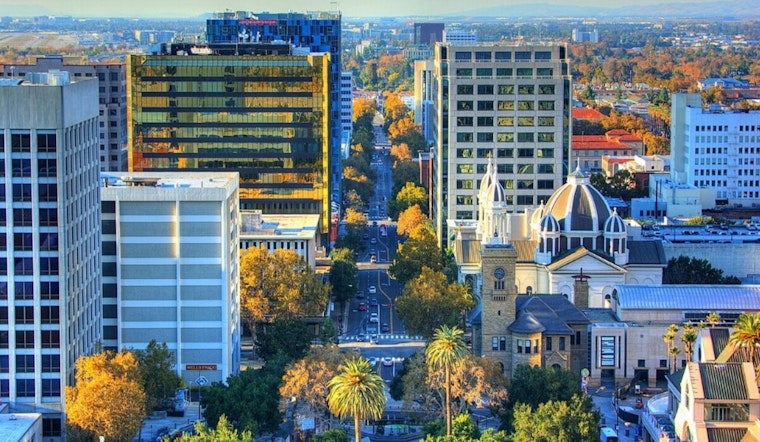
San Jose now wears California’s unofficial crown for the most painful place to pay the bills, with San Francisco right on its heels. A fresh set of cost-of-living numbers confirms what many renters already feel in their bank accounts: housing is the heavyweight, and San Jose’s prices are edging past even San Francisco’s.
What the Index Shows
According to the Council for Community and Economic Research (C2ER), the Cost of Living Index averages local prices across housing, groceries, utilities, transportation, health care, and other items. The latest figures rank San Jose among the priciest urban areas in the country, while placing San Francisco several spots below it. The C2ER data summarizes average annual costs for 2025 and are widely used to compare living expenses across metro areas.
Housing Is the Heavy Lifter
Housing is doing most of the damage in both cities. San Francisco’s housing index is about two and a half times the national baseline, while San Jose’s housing component runs roughly 3.3 times higher. The San Francisco Standard broke down those figures, using Appleton, Wisconsin, as the 100-point benchmark for housing. Local advocates and economists told the outlet that zoning limits and the Bay Area’s high-tech wages help explain why prices can swing so sharply from one neighborhood or metro to another.
Policy Response and Local Politics
San Francisco’s mayor has tried to put affordability at the center stage. In his State of the City address, Daniel Lurie highlighted a suite of measures, including the Family Zoning plan and expanded child-care subsidies, that are intended to ease costs for families. The San Francisco Chronicle covered Lurie’s speech, while details on recent affordable-housing groundbreakings and program changes have been posted on SF.gov. City officials say subsidies and regulatory fixes are meant to provide near-term relief, with zoning and permitting reforms aimed at boosting supply over the longer run.
Who Feels the Squeeze
Economists point out that the pain is far from evenly spread. High-tech salaries cushion some households, while workers outside that sector face wide affordability gaps. Housing-focused groups such as California YIMBY continue to push for faster up-zoning and more homes near transit as the main cure, arguing that supply must rise before prices have a real chance of falling. With fights over zoning, subsidies, and ballot measures still ahead, most households are likely to see only incremental relief in 2026 while any broader building surge takes shape.





.jpeg)