

























































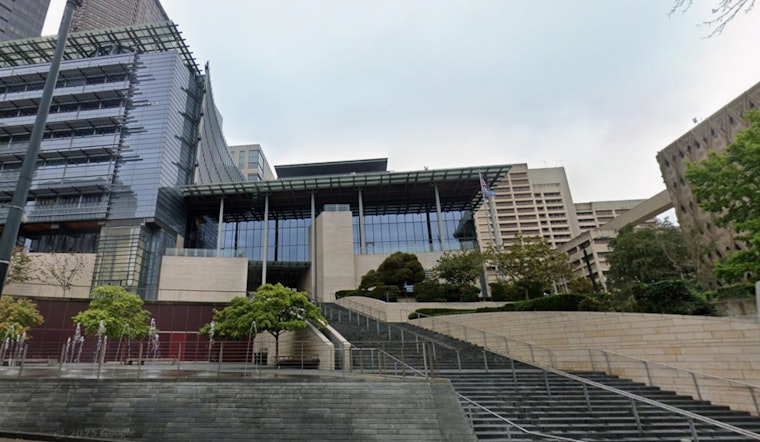
Seattle’s City Council has thrown an emergency roadblock in front of any plans to build or expand detention centers and jails inside city limits, moving to halt new facilities while the city scrambles to rewrite its zoning rulebook.
The emergency legislation, introduced Friday, would create a one-year moratorium on new or expanded detention centers. During that year, no proposals could move forward while the city crafts temporary rules and works toward permanent zoning language. Council leaders say they are trying to plug a glaring gap in the municipal code, which does not currently spell out what counts as a detention facility.
What the Ordinance Would Do
According to KING 5, the emergency ordinance would clearly ban jails used for immigration detention in several downtown zoning districts and declare an official emergency so the rules kick in immediately. It would also waive the usual public-hearing requirement at the time of adoption, a move city leaders say is needed to act quickly.
The bill lays out interim controls that would automatically expire after 365 days unless the council votes to extend them. During that window, the Seattle Department of Construction and Inspections is directed to study the issue and draft permanent zoning rules on a schedule that runs from winter to summer 2026.
The ordinance text spells out what happens next: it anticipates that the mayor will send permanent legislation to the council in September 2026, with final zoning controls potentially taking effect in January 2027. Adopting those long-term changes would require a three-quarters vote of the council.
Why City Leaders Say They Acted
Mayor Katie B. Wilson’s administration has been rolling out steps it says are meant to shield immigrant communities. A statement from Mayor Wilson's office describes orders for city departments to review data-sharing agreements and a ban on using city-controlled property for civil immigration enforcement activities.
Council communications about preparing for federal policy shifts cite recent national incidents and heightened federal enforcement as part of the backdrop for the local move. Supporters of the moratorium say the pause gives the city breathing room to write clear definitions and rules so any proposal for a detention-style facility has to run through an explicit zoning process, rather than arriving as an improvised land-use request that exploits gray areas in the code.
State Law and the Bigger Picture
Seattle’s move is landing on top of statewide changes. In 2025, the Washington Legislature tightened oversight of private detention facilities. The bill known as HB 1232 expanded the statutory definition of private detention facilities and granted state agencies broader inspection authority, according to the Washington Legislature.
At the same time, federal plans to expand detention capacity have sparked reactions in cities and counties across the country. Seattle PI and national reporters have tracked federal efforts to scout warehouses and county jails, along with a series of local moratoria stretching from Kansas City to smaller jurisdictions.
Seattle officials are framing their ordinance as part of that national wave of local pushback, saying they are trying to assert land-use control while federal policy and legal rules around detention continue to shift.
Legal Questions Ahead
Legal scholars are already warning that city-level limits on detention facilities can run straight into federal preemption arguments and other constitutional challenges. Courts have previously raised concerns about state or local efforts that appear to single out private detention operators.
A federal district court opinion examining state regulation of private detention facilities has been cited as a reminder of how bitter and complex those legal fights can become. That backdrop suggests litigation is a real possibility for any local measures that aim to restrict federal detention operations.
The prospect of lawsuits helps explain why the council opted for a short, time-limited emergency pause with a detailed rulemaking schedule instead of an open-ended ban.
What Happens Next
The council has hearings on the proposal lined up for Feb. 17 and Feb. 24. If the ordinance wins council approval, it would still need the mayor’s signoff to stay in effect beyond the initial emergency action, according to KING 5.
If adopted, the interim regulations would block any new or expanded detention proposals from moving through the city’s permitting pipeline while SDCI drafts permanent zoning language and the council debates final regulations later in 2026. Community organizations on both sides of the issue are expected to submit testimony at the hearings and keep a close eye on whether the city’s approach can withstand likely legal challenges.
For now, the emergency moratorium is a stopgap measure that will shape downtown land-use fights and test how far a city can go in managing projects tied to immigration detention. With a packed hearing schedule and a tight rulemaking timeline, Seattle residents should brace for a fast-moving public process and a legal battle that may not end when the yearlong pause does.



