

























































A federal judge in Seattle has knocked out the main federal claims in a lawsuit by five members of the white-supremacist group Patriot Front, who say a Washington man infiltrated their ranks and exposed their identities. U.S. District Judge Richard A. Jones ruled that the federal Computer Fraud and Abuse Act does not cover the kind of job losses the men claim followed those disclosures, and he gave them 21 days to try again. The case turns on accusations that the defendant used a fake name to slip into private chats, secretly record members, and snap photos of license plates, conduct the plaintiffs say led to threats, slashed tires, and lost employment.
Judge Says CFAA Is For Computer Damage, Not Lost Paychecks
In a Jan. 16, 2026 order, Judge Jones granted the defendant’s motion to dismiss the CFAA claim, finding that the statute’s definition of “loss” is aimed at technological harms such as data corruption, restoration costs or interrupted service, not downstream economic fallout like reduced hours or lost wages. Citing the court record, he dismissed the federal claims without prejudice, declined to exercise supplemental jurisdiction over the related state-law claims and gave the plaintiffs 21 days to file an amended complaint, according to the order posted on Justia Dockets & Filings. The same ruling was also covered by The News Tribune.
What Plaintiffs Say The Alleged Infiltrator Did
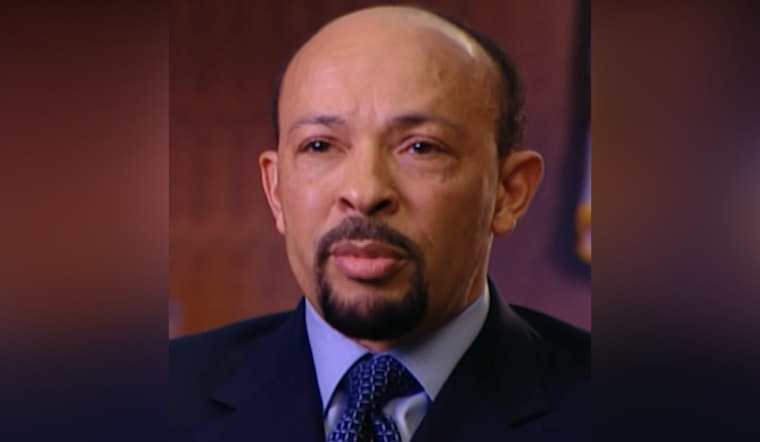
The plaintiffs claim the man, identified in reporting as David Capito, joined Patriot Front in 2021 under a false identity and brought hidden microphones and cameras into the group’s activities. According to the complaint, he recorded members, photographed license plates and then worked with others to push private chats and video links into the open. Reporting in The New Yorker describes how those materials ended up in public archives and notes that Capito operated under several aliases while doing outreach. Both the lawsuit and prior coverage say the leaks cost some members their jobs and drew harassment in the form of threatening calls and property damage, central claims in the suit.
Service Struggles And Tacoma Ties
Simply finding the defendant to serve him with the lawsuit turned into a slog. The plaintiffs’ lawyers told the court they spent more than a year trying and failing to track him down, eventually asking for permission to serve him by publication after private investigators came up empty, including at a Tacoma address in the 500 block of South L Street. Local reporting indicates process servers made multiple trips to addresses in Seattle, Lake Stevens and Tacoma before the plaintiffs asked for extra time to complete service. Those delays have dragged out the case and layered procedural headaches on top of already novel legal issues.
What The Ruling Says About Doxxing And Civil Lawsuits
Legal observers and civil-liberties advocates say the decision underlines how the CFAA, often described as an anti-hacking law, can be a clumsy tool for doxxing cases where the alleged harm is reputational or economic rather than technical. Judge Jones leaned on circuit and Supreme Court precedent that interprets “loss” under the CFAA as costs directly tied to computer or data damage, a framework the court concluded did not fit the Patriot Front members’ allegations. The dispute is unfolding against a broader backdrop: Patriot Front is classified as a white-supremacist organization by groups such as the Anti-Defamation League, a designation that helps explain the intense public attention on litigation over leaked membership rolls.
What Comes Next In The Case
With the federal CFAA count dismissed without prejudice, the plaintiffs now have a short window to try to rework their theory into something that matches the statute’s narrow definition of loss or to move their state-law claims elsewhere. As of Feb. 2, 2026, the plaintiffs had not filed an amended federal complaint, The News Tribune reported, leaving the next move an open question. If they fail to successfully replead, remaining state-law invasion of privacy and fraud claims could proceed in a different forum or quietly fade, depending on how their attorneys choose to play it.





.jpg)