

























































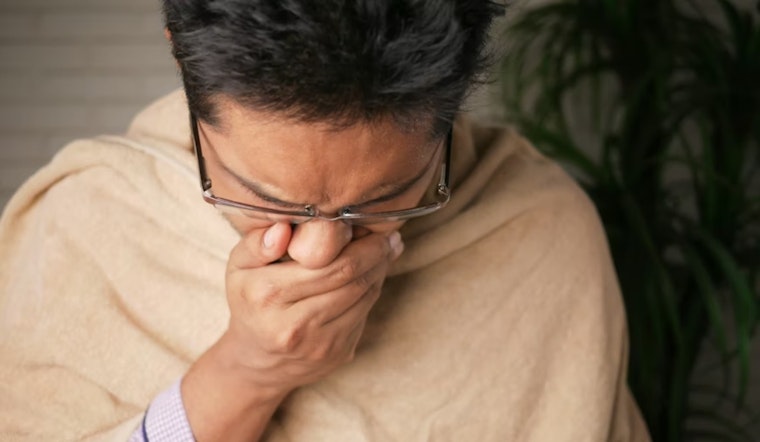
The North Bay is getting hit with a second, stronger punch of seasonal flu, and clinics and emergency rooms are feeling it. After a brief breather in mid-January, public health tracking and hospital reports show influenza levels climbing again, a pattern epidemiologists refer to as a "bimodal" season. Local clinicians report that this late upswing is bringing in more patients to outpatient clinics and sending more people to the hospital than the first wave did.
Infectious disease specialists and county health leaders say this later surge is larger than the first and driven by the H3N2 strain of the virus. Sutter Health infectious disease physician Dr. Gary Green told The Press Democrat that test positivity at Sutter clinics rebounded from post-peak lows to about 20 percent during this second wave, and that the circulating H3N2 strain is "fairly virulent and dangerous."
National surveillance paints an especially grim picture for children. The Centers for Disease Control and Prevention has recorded 60 influenza-associated pediatric deaths so far this season and reports that most subtyped A(H3N2) viruses belong to a drifted subclade that is now widespread. According to CDC FluView, hospitalizations and test positivity remain elevated in many parts of the country, even as activity varies by region.
Wastewater, test positivity and local hospitals
Data from state and local dashboards back up what doctors are seeing on the ground. In several Bay Area communities, wastewater readings and clinical test positivity for influenza are elevated, and local epidemiologists say flu-related hospital admissions climbed through January. The California Respiratory Virus Dashboard emphasizes wastewater measurements and test positivity as key signals, and local officials told The Press Democrat that Sonoma County emergency department visits and hospital stays tied to influenza have risen in recent weeks, even though a few indicators may be starting to level off.
Why the season looks "bimodal"
Public health researchers say a two-peak curve can develop when one wave tapers off, then either the same strain resurges after people start mixing more again or a different strain gains traction later in the season. Historical surveillance and analyses of earlier flu years show similar twin-peak patterns, and experts say the current mix of an antigenically drifted H3N2 group plus holiday and event-driven gathering fits that established playbook. Reviews of past flu seasons have documented that these bimodal curves appear when circulating viruses or contact patterns shift partway through the season.
What residents should do
Health officials are urging anyone who has not yet gotten a flu shot to roll up their sleeves, to get tested if they develop respiratory symptoms, and for people at higher risk of complications to reach out to a clinician early about possible treatment. Antiviral medications work best when started quickly. The California Department of Public Health recommends staying current on vaccination and checking the state Respiratory Virus Dashboard for updates on local conditions, and the CDC offers guidance for clinicians on when and how to use antivirals. Sonoma County currently requires masks in health care settings during respiratory virus season and advises residents to stay home when sick; local health department sites list clinic locations and the latest recommendations.




